
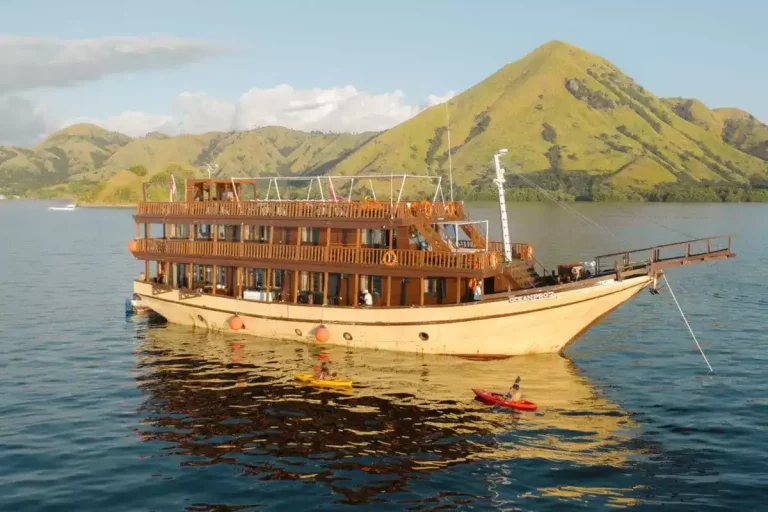
Build in Labuan Bajo, Earn in Komodo: The Build-to-Charter Path
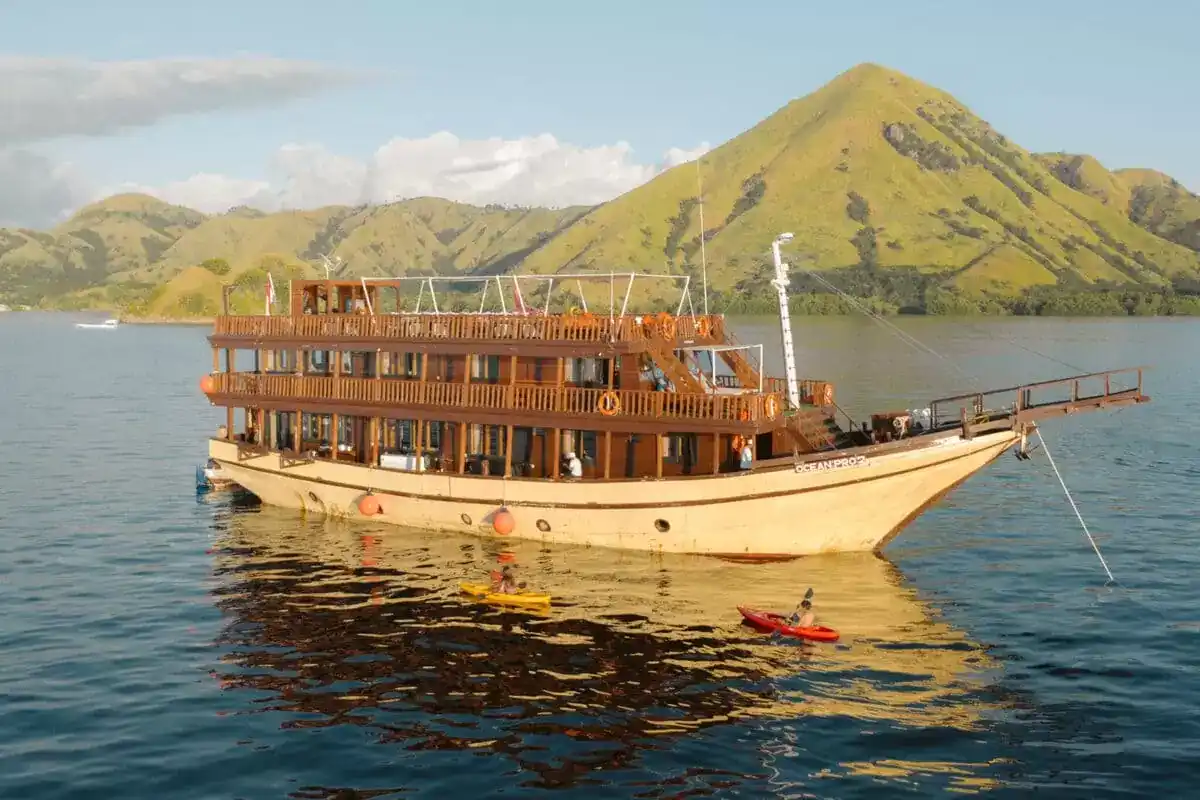
Build in Labuan Bajo, earn in Komodo: commission or refit a charter-ready boat at the gateway to Komodo National Park, structure ownership through a PT PMA (49% foreign cap) with a SIUPAL licence and Indonesian flag, then hand the finished vessel to a professional management operator. A mid-size luxury phinisi charters for around IDR 30 million per night, with roughly 120 charter days a year as a realistic planning figure.
Most people who fall in love with Komodo National Park meet it from the deck of a phinisi. A growing number of them go one step further and ask the obvious question: instead of renting a boat, what would it take to own one that earns? Labuan Bajo is the one place in Indonesia where the entire answer sits in a single harbour town – the shipwrights, the refit slipways, the licensed crews, the marina, and the charter market itself. This guide walks through the build-to-charter path from first drawing to first paying guest.
Why build where you charter
Traditional phinisi hull carpentry still belongs to the beach yards of South Sulawesi – Bira, Tana Beru and Ara – where hulls are shaped by the Konjo method passed down for generations. But a hull is only half a charter boat. The cabins, dive deck, galley, navigation and safety systems that turn a wooden ship into a surveyed commercial cruise vessel are increasingly fitted in Labuan Bajo, minutes from the waters the boat will work. Building or finishing here means sea trials happen on the actual itinerary, the crew learns the anchorages before guests ever board, and the boat’s first charter can follow survey almost immediately. Overheads also run lower than in Bali, and every supplier you need during the build is already serving the largest liveaboard fleet in Indonesia.
The build is the cost side; earning charter income from a new build is the model that decides whether the numbers close.
What a build costs, honestly
Current market ranges are wide because specification drives everything. A basic new-build liveaboard typically lands between USD 600,000 and 1.2 million. A 30-40m luxury phinisi runs about USD 1.8-3 million, and 45m-plus superyacht-class projects reach USD 4-8 million. Buying a used 20-30m boat instead usually costs USD 350,000-800,000 before refit. On timelines, plan 10-14 months for a small build, 18-24 months for a mid-size luxury yacht, and 24-30 months or more for superyacht class. A major refit in Labuan Bajo is measured in months, which is why many owners buy used and rebuild to charter standard.
The legal structure: PT PMA, SIUPAL and the Indonesian flag
Foreigners can absolutely own into this market, but the structure matters. Domestic charter operations run under Indonesian cabotage law, which means the vessel flies the Indonesian flag and the operating company holds a SIUPAL shipping licence. Foreign shareholding in that shipping company is capped at 49%, which is why nearly every foreign-owned charter boat in Komodo sits inside a PT PMA structure with a trusted local partner or an established operator holding the majority. Get this designed before the keel is laid, not after – the licensing path shapes crewing, insurance and even how the boat is surveyed.
What the boat can earn
The reference numbers used across the Komodo fleet look like this: a well-run mid-size luxury phinisi charters for around IDR 30 million per night, and a realistic planning assumption is roughly 120 charter days per year, concentrated in the April-November dry season. That produces in the region of IDR 3.6 billion gross, against IDR 1.5-2 billion in annual operating costs – crew, maintenance, fuel, berthing and park logistics – for wooden vessels that are professionally maintained. Net returns in the 6-14% range are the honest bracket experienced operators quote; anyone promising more than that is selling, not planning. Occupancy is earned through marketing and reputation, and the rainy season is when disciplined owners schedule refit and maintenance rather than chasing thin bookings.
Handover: from shipyard to charter calendar
The step that separates a boat that earns from a boat that sits at anchor is management. Build-to-charter handover means the vessel is delivered charter-ready and passed straight to an operator who runs crewing, bookings, maintenance and park compliance as one program. This is the model professional boat management in Labuan Bajo was built around: the owner holds the asset, the operator fills the calendar and keeps the ship surveyed, crewed and guest-ready. For owners weighing the whole journey as an investment rather than a passion project, the group-level view of charter boat investment returns in Komodo covers deal structures, sample P&Ls and the risks that deserve as much attention as the upside.
The sensible sequence
First, decide new build versus used-plus-refit against your budget and timeline. Second, structure the PT PMA and licensing before committing to the yard. Third, build charter-ready from the first drawing – cabins, dive deck, crew quarters and safety kit specified for survey, not retrofitted after. Fourth, sign the management agreement before delivery so the boat’s first season is sold while she is still in fit-out. Owners who follow that order start earning in their first dry season; owners who improvise usually donate their first year to paperwork.
Labuan Bajo is unusual in offering the whole chain in one place: hulls from Sulawesi’s master builders, finishing and refit at the park’s doorstep, licensed crews, and the busiest charter market in eastern Indonesia. Build here, and the distance between the shipyard and the first paying guest is a few miles of blue water.
See also: Phinisi Refit vs. New Build: Which is Right for Your Labuan Bajo Yacht in 2027?, Bira, Tana Beru & Ara: Inside Indonesia’s Phinisi Building Villages, Understanding Phinisi Building Costs: A 2027 Breakdown · Home.
Keep Reading
Travel Journal
Choosing the Best Timber for Your Phinisi: Insights from Labuan Bajo Builders 2027
The best timber for phinisi construction in Labuan Bajo in 2027 remains Ulin (Ironwood) for the hull and structural elements…

Travel Journal
Understanding Phinisi Building Costs: A 2027 Breakdown from Labuan Bajo
In 2027, the cost to build a phinisi in Labuan Bajo typically ranges from IDR 8 billion for a mid-range…

Travel Journal
Modern Phinisi Yacht Builders Labuan Bajo: Innovations for 2027
Modern phinisi yacht builders in Labuan Bajo are incorporating advanced navigation systems, eco-friendly propulsion, and enhanced structural integrity using sustainable…