
Mapping Labuan Bajo’s Build Yards: Who Works Where
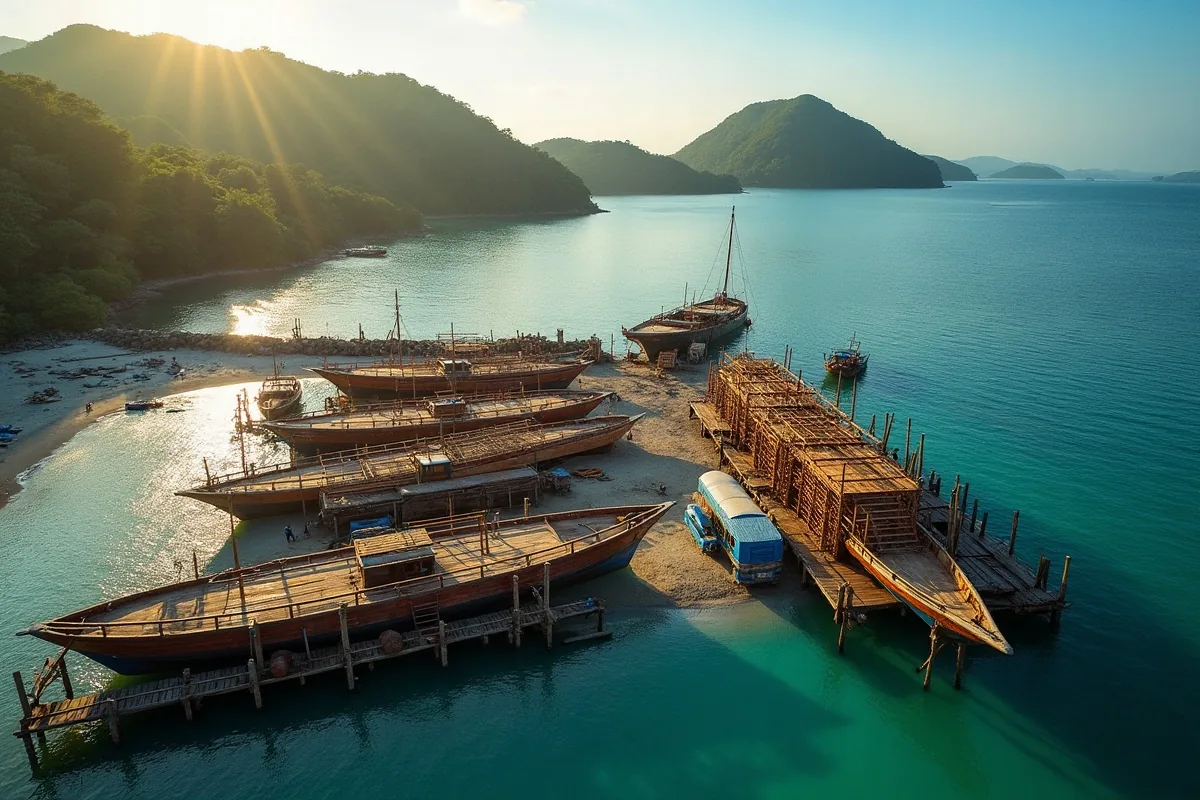
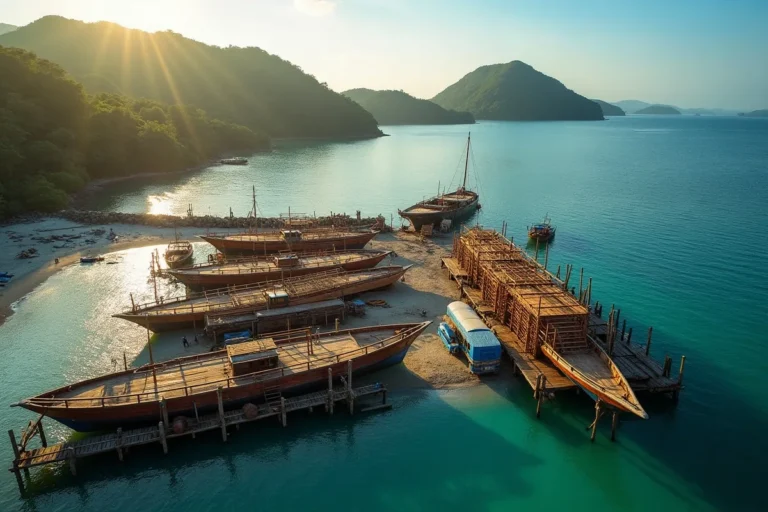
Labuan Bajo’s building capacity is not one shipyard but a string of yard sites along roughly twenty kilometres of coast: town-edge slipways near the harbour handle refits and finishing, beach yards north toward Nanga Nae and Bari lay keels for new hulls, and a scatter of village sites across the strait on Boleng and Longos islands build traditional hulls the old way. Knowing who works where — and what each site can physically launch — is the first filter for any build decision.
By Labuan Bajo Boat Builders Build Desk — Yard Desk, Labuan Bajo Boat Builders. Updated August 2026.
Visitors expect a gated industrial estate with cranes. What they find instead is a working coastline where a 40-metre phinisi can rise from a beach with tide-assisted launching, two hundred metres from a dive shop. This piece maps the geography honestly, because choosing a yard site shapes cost, schedule and logistics more than most owners realise. Our boatyard location page covers how to reach ours; this article covers the whole waterfront.
Zone One: The Harbour Fringe
Closest to town, squeezed between marina traffic and hotels, sit the finishing and repair sites. Land here is too valuable for multi-year new builds, so the work skews toward fit-out, engine installation, interior joinery and pre-season maintenance for the Komodo charter fleet. The advantage is access: chandlery runs, customs agents, technicians and crews are minutes away. Owners doing a final fit-out here save real money on delivery legs — the argument we lay out in why LBJ finishing saves delivery legs.
Zone Two: The Northern Beaches
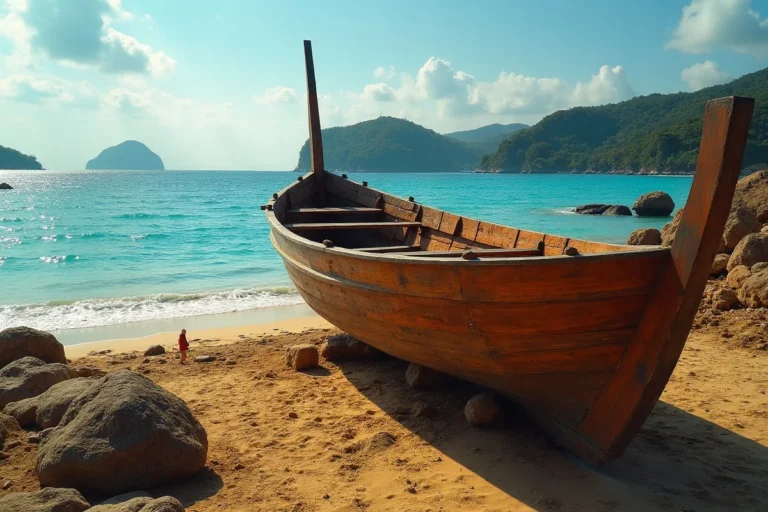
Ten to twenty kilometres north, around Nanga Nae, Bari and the coast facing Seraya, the beach opens up and new keels get laid. These sites offer what new construction actually needs: long flat foreshore, room for timber stacks and scaffolding, and a workforce that commutes from nearby villages. Infrastructure is thinner — generators instead of grid power at some sites, water trucked in — and everything arriving from town adds a logistics step, which is why barge and truck logistics deserve their own line in your budget. This is where most hulls in our portfolio were born.
Zone Three: The Island Villages
Across the water on Boleng, Longos and the Flores north coast, village builders continue the Bugis-descended tradition: hulls shaped by eye, adzes still in use beside power planers, launch days that involve the whole community. Quality at the best of these sites is remarkable, but project management, documentation and systems installation are not their trade. The workable model — one we use deliberately — pairs village hull skill with professional engineering and a managed build process, giving owners tradition without the paperwork vacuum.
Reading a Yard in One Visit
Whichever zone you tour, the same one-hour inspection tells you most of what matters. Walk the timber stacks: labelled, stickered, under cover means discipline. Count active projects against workforce; three hulls and nine men means your schedule is fiction. Look for fire points, first-aid boxes and eye protection — safety culture predicts build culture, a link we explore in our own yard practice standards. Finally, ask to see the contract and progress-payment template before you ask the price. A yard that leads with paperwork will finish your boat; a yard that leads with a low number will finish your patience — the theme of what to look for in a building contract.
Which Zone Fits Which Project
New 25–45 metre phinisi or expedition hull: northern beaches, full stop — that is where space and launch geometry live. Catamarans and sub-20-metre day boats: harbour-fringe sheds or a managed beach site, as covered in our catamaran niche report. Refit, repower or interior renewal: harbour fringe for access. Heritage builds where ceremony and community matter: island villages with a professional overlay. If you are still weighing Labuan Bajo against other regions entirely, start with our Labuan Bajo vs Bali comparison.
Talk to the Yard Desk
Our yard desk answers build enquiries seven days a week from Labuan Bajo. Message us on WhatsApp at +62 811-3941-4563 or write to [email protected] and we will reply with slot availability, reference projects and a realistic budget band. You can also review our pricing guide or start with the step-by-step build process.
Frequently Asked Questions
Is there one central shipyard in Labuan Bajo?
No. Capacity is distributed across harbour-fringe finishing sites, northern beach yards for new construction, and village sites on the nearby islands. Each zone has different strengths, and serious projects often use two zones across a build — hull on a beach, fit-out near the harbour.
How large a vessel can Labuan Bajo yards actually launch?
Beach launching with tide assistance and rollers handles hulls to roughly 45 metres and 350–400 tonnes displacement. Beyond that, the constraint is not carpentry but launch geometry and insurance, and we would steer the project to a slipway-equipped site during planning.
Can I visit yards before choosing one?
You should. We host walk-throughs of our own sites and can arrange a fair look at the wider waterfront — see our guide to making an owner visit count, then message +62 811-3941-4563 to schedule.
Do village-built hulls pass survey?
They can, when engineering oversight is present from keel-laying and documentation is kept current. Retro-fitting compliance onto an undocumented hull is far more expensive than building it in, which is why our managed process embeds surveyor checkpoints from the first timber delivery.
Keep Reading
Yard Operations
Eco-Build Practices in Flores: Low-Impact Yards Near Komodo
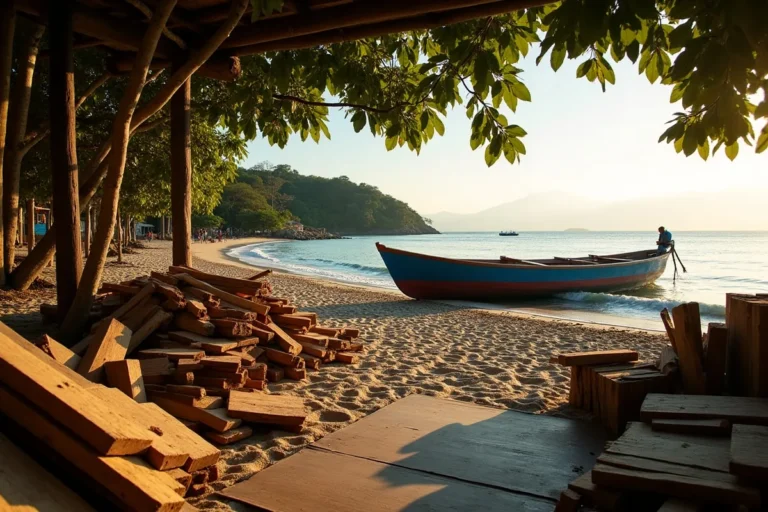
Low-impact boatbuilding in Flores rests on five practices: fully documented legal timber, captured and removed hazardous waste, low-VOC coating systems…
Yard Operations
Barge Logistics: Moving Materials to Labuan Bajo Yards
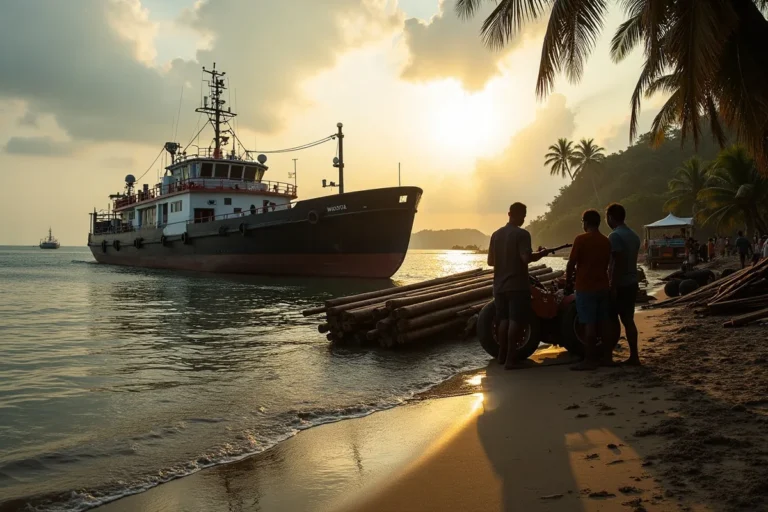
Almost everything inside a Labuan Bajo build arrives by sea. Hardwood rides timber barges from Kalimantan via Surabaya or Makassar;…
Yard Operations
Building Beside a National Park: Rules That Shape LBJ Yards
Every yard in Labuan Bajo operates in the shadow of a UNESCO-listed national park, and that changes how boats get…