
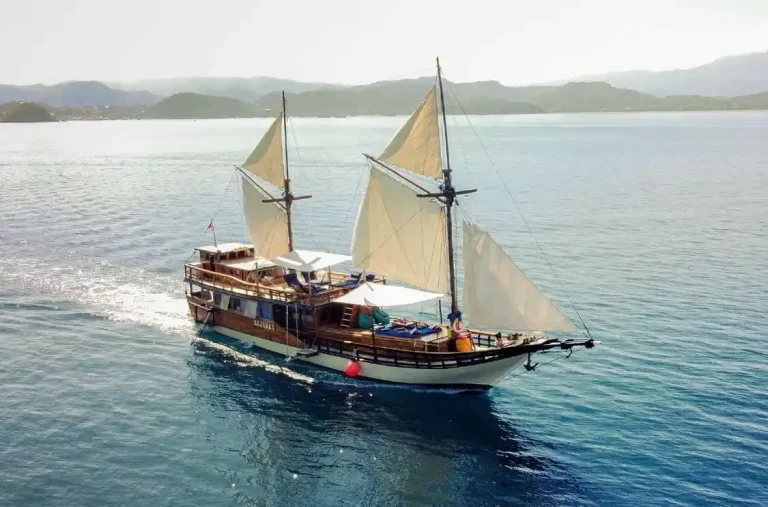
The Ammossi (Navel) Ceremony: Rituals of Launching a Phinisi
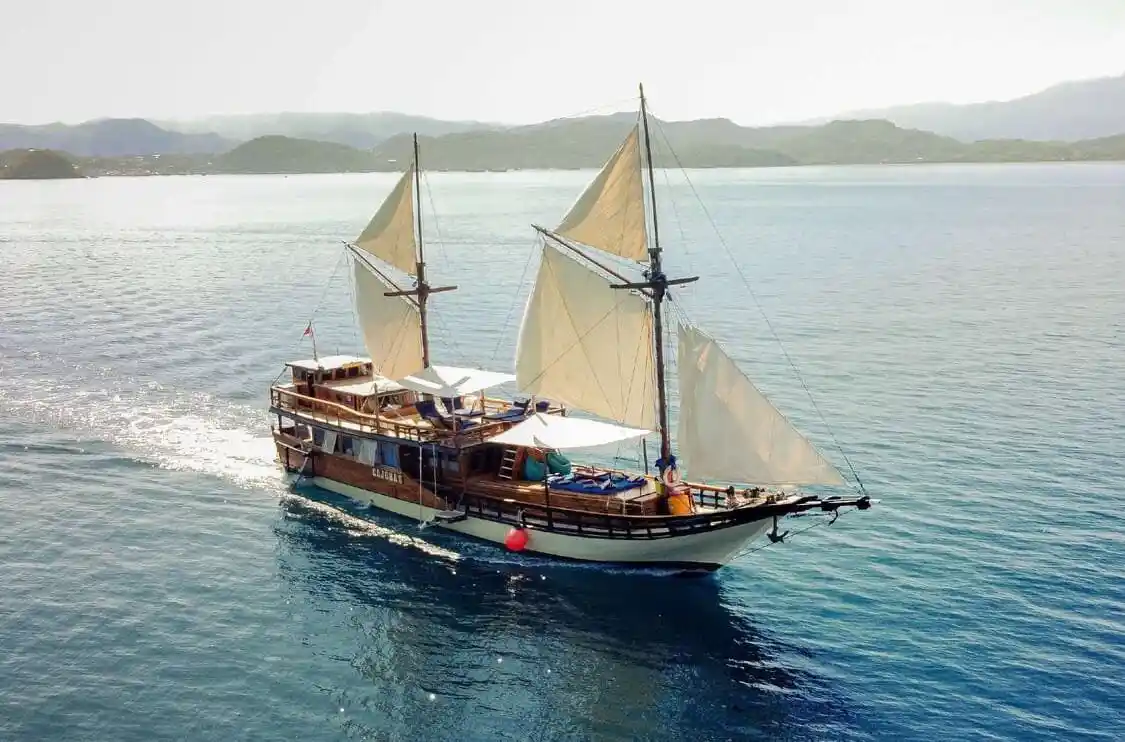
The Ammossi or “Navel” Ceremony is an ancient ritual integral to the launching of a Phinisi, a traditional Indonesian sailing vessel. Rooted in the maritime traditions of the Bugis and Makassar people, this cultural event marks the culmination of craftsmanship and spiritual practices in the shipbuilding villages of South Sulawesi.
The Cultural Significance of the Ammossi Ceremony
The Ammossi Ceremony is more than just a tradition; it is a deep expression of gratitude and spiritual blessing amongst the people of Bulukumba Regency, specifically in villages like Tana Beru, Bira, Ara, and Lemo-Lemo, which are recognized as the centers of Phinisi shipbuilding. This ceremony is a rite of passage that transforms a crafted vessel into a living entity, ready to sail the seas. In these villages, the ceremony is not only a display of cultural heritage but also an essential community gathering that strengthens social ties.
In 2017, UNESCO acknowledged the unique shipbuilding skills of the Konjo, Bugis, and Makassar people, placing ‘Pinisi, art of boatbuilding in South Sulawesi’ on its Intangible Cultural Heritage list. This recognition underscores the cultural depth and historical significance of the Ammossi Ceremony, as it is a vital part of the shipbuilding tradition that has been passed down through generations. The ceremony itself has evolved over time, now incorporating modern elements while still retaining its traditional roots, highlighting the adaptability and resilience of the cultural practices.
The Role of the Master Shipwright
At the heart of the Ammossi Ceremony is the master shipwright, known as the punggawa. This individual is responsible for overseeing the entire construction process of a Phinisi, from selecting the appropriate timbers to guiding the crew through the handcrafted assembly. The expertise of a punggawa is crucial, as they do not rely on formal blueprints but rather on ancestral knowledge and oral traditions. This method ensures that each Phinisi is unique, reflecting the personal touch and creativity of its builders.
Each Phinisi is meticulously crafted with core timbers such as bitti, teak, and ironwood, selected for their durability and strength. The punggawa ensures that every element of the boat is perfect, with measurements and proportions preserved through memory. Their leadership extends into the spiritual realm during the Ammossi Ceremony, where they lead rituals to invoke blessings for the vessel’s journey. This dual role of technical expert and spiritual leader is what makes the punggawa indispensable in the Phinisi building process.
The Rituals and Symbolism of the Ceremony
The Ammossi Ceremony is steeped in rituals that symbolize safety, prosperity, and the harmonious relationship between the ship and the sea. Offerings, including food and incense, are presented to placate the spirits and seek protection. A significant aspect of the ceremony is the placement of a symbolic “navel” on the ship, usually a carved piece of wood or stone, believed to be the vessel’s spiritual center. This navel is often intricately designed, with motifs that reflect local mythology and seafaring stories.
Throughout the ceremony, traditional chants and prayers are recited by the punggawa and the community, fostering a collective sense of reverence and hope for the Phinisi’s successful voyages. This combination of tangible and spiritual elements ensures that each Phinisi is not only a masterpiece of engineering but also a vessel blessed with cultural and spiritual significance. The entire community participates, contributing to a rich notable of sound and color that envelops the ceremony in a sense of sacred celebration.
Building a Phinisi: Timelines and Costs
Constructing a Phinisi is a significant undertaking that requires careful planning, substantial resources, and skilled craftsmanship. The build timeline for a Phinisi varies depending on the size and specifications of the vessel. A basic 20–25 meter Phinisi typically takes 12 to 18 months to complete, with costs ranging from USD 100,000 to 250,000. A commercial 25–30 meter Phinisi designed for charter in the Komodo region requires 18 to 24 months to build, with costs between USD 400,000 and 800,000. Seasons play a crucial role in these timelines, as monsoons and dry spells dictate the pace of construction activities.
For those seeking a luxury experience, a superyacht-grade Phinisi can range from 40 to 50 meters and takes approximately 24 months from keel-laying to completion. The cost for such a vessel is significantly higher, ranging from USD 5 million to 7 million, offering a unique blend of traditional craftsmanship and modern luxury that is about five times less expensive than an equivalent European steel superyacht. This significant cost advantage, coupled with the rich cultural appeal, makes Phinisi an attractive option for maritime enthusiasts around the world.
The Economic Impact on Local Communities
The Phinisi shipbuilding industry is a vital economic driver for the villages of South Sulawesi. It provides employment to hundreds of skilled craftsmen and laborers who have honed their skills over generations. From timber suppliers to artisans specializing in intricate carvings, the entire community benefits from the industry. The economic ripple effect extends to local markets and businesses that supply materials and provisions, creating a robust local economy.
Furthermore, the demand for Phinisi vessels has sparked a significant interest in maritime tourism and adventure charters in Indonesia, particularly around the Labuan Bajo area, access point to the famous Komodo National Park. This has led to increased opportunities for local businesses, from hospitality to guided tours, further boosting the region’s economy. The influx of tourists also encourages infrastructure development, improving the quality of life for residents and fostering cultural exchange.
The Importance of Local Ownership in Phinisi Charters
Indonesia’s closed maritime registry mandates that only locally-owned and Indonesian-flagged vessels can operate commercial charters within Indonesian waters. This regulation encourages foreign investors to commission locally-built Phinisi boats, ensuring the preservation and continuation of traditional shipbuilding techniques. It also allows for the retention of valuable maritime knowledge within the local communities, safeguarding cultural heritage.
By commissioning Phinisi vessels, foreign buyers not only comply with local regulations but also contribute to sustaining the cultural heritage of the Konjo, Bugis, and Makassar shipwrights. This system reinforces the importance of local ownership and ensures that the economic benefits of the Phinisi industry remain within the local community. The collaborative nature of this arrangement fosters a sense of pride and ownership among the local artisans, motivating them to continue perfecting their craft.
Environmental Considerations in Phinisi Construction
Phinisi construction also incorporates environmentally conscious practices, given the reliance on natural resources such as wood. The selection of bitti, teak, and ironwood is carried out with sustainability in mind, ensuring that timber harvesting does not jeopardize local ecosystems. Efforts are made to source materials from managed forests, where replanting initiatives are in place to maintain ecological balance.
Additionally, the traditional methods of construction used in building Phinisi have a relatively low environmental impact compared to modern shipbuilding techniques. The use of hand tools and the avoidance of industrial machinery reduce carbon emissions and energy consumption. This approach aligns with global movements towards sustainable living and preservation of cultural heritage, making Phinisi vessels a symbol of environmentally responsible craftsmanship.
FAQs
Q? What is the significance of the “navel” in the Ammossi Ceremony?
The “navel” is a symbolic element placed on the Phinisi during the Ammossi Ceremony. It serves as the spiritual center of the vessel, embodying the connection between the ship and the sea, and is believed to ensure protection and safe journeys.
Q? How long does it take to build a Phinisi?
The construction timeline for a Phinisi varies by size and purpose. A basic 20–25 meter vessel takes about 12–18 months, while a commercial charter standard 25–30 meter Phinisi can take 18–24 months. Larger, luxury Phinisi may require up to 36 months.
Q? Why are Phinisi boats preferred over European steel yachts for charters in Indonesia?
Phinisi boats are preferred due to Indonesia’s maritime regulations, which require locally-owned and flagged vessels for charter operation. Additionally, Phinisi offer a unique cultural and aesthetic experience, coupled with cost advantages over European steel yachts.
For wider arrangements, our partner komodoboatcharter can coordinate end to end.
Keep Reading
Flores Craft & Culture
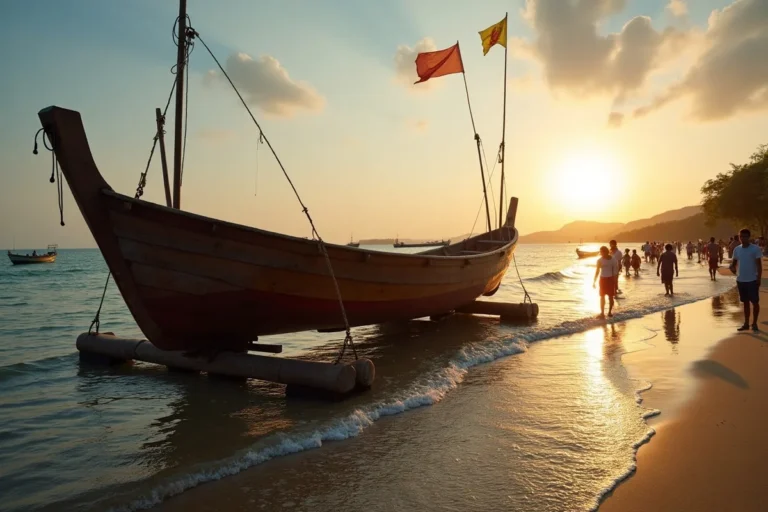
Launch Ceremonies of Flores: Blessings Before First Water
A Flores launch is a two-day event wrapped around one tide. The evening before brings the blessing: prayers led by…

Flores Craft & Culture
The Flores Apprentice Path: Training the Next Yard Generation
Flores boatbuilding trains its people the way it always has: by hand, in public, over years. The path runs from…
Flores Craft & Culture
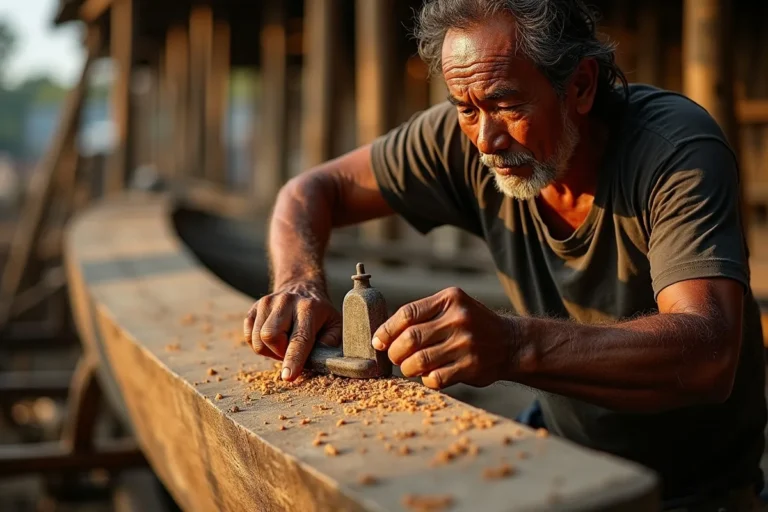
Manggarai Hands, Bugis Lines: The Culture of Flores Boatbuilding
Labuan Bajo’s boatbuilding culture is a marriage of two lineages: the hull-shaping tradition carried east by Bugis and Konjo migrants…