
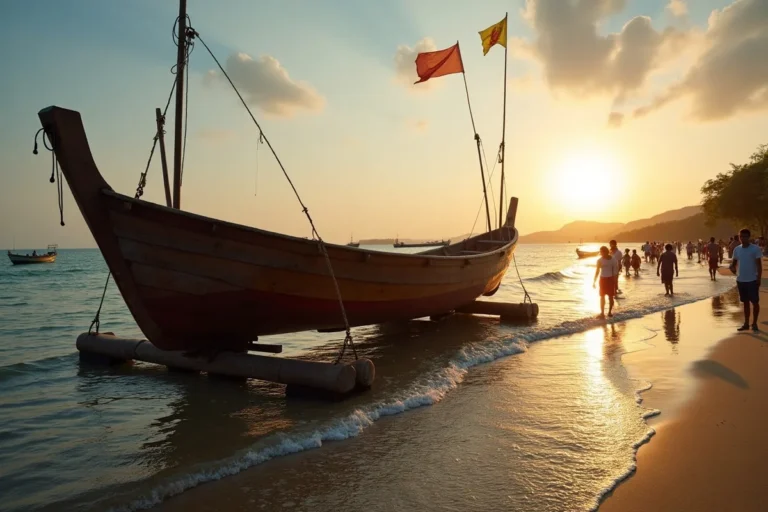
Launch Ceremonies of Flores: Blessings Before First Water
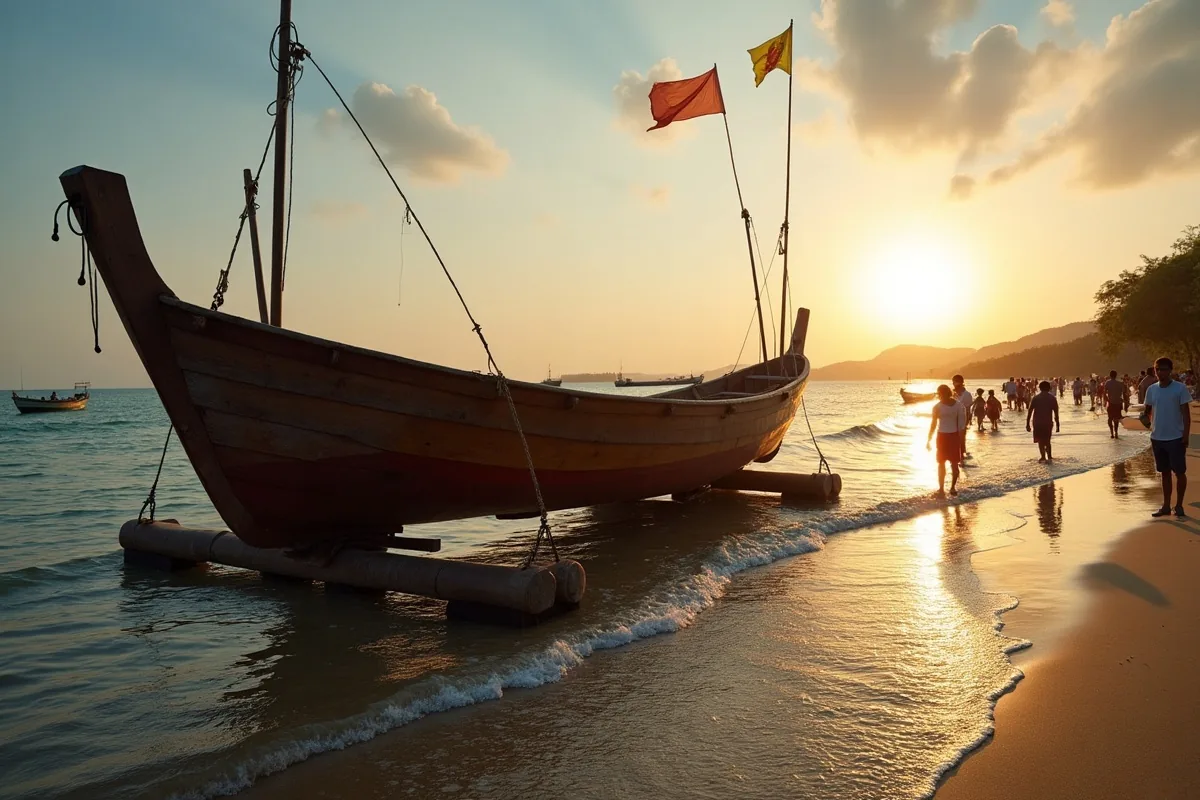
A Flores launch is a two-day event wrapped around one tide. The evening before brings the blessing: prayers led by elders and, in most yards, the ammossi rite that marks the hull’s symbolic navel — its birth as a vessel with a spirit of its own. Launch day itself is engineering as festival: greased ways, rollers, tide timing, a hundred hands on lines, and the moment the sea takes the weight for the first time. Owners are not spectators here; the ceremony has a place written in it for you.
By Labuan Bajo Boat Builders Build Desk — Yard Desk, Labuan Bajo Boat Builders. Updated August 2026.
We have launched vessels in downpours, at dawn, and once at midnight on the month’s highest water, and no two ceremonies were identical — but the grammar is shared down this coast and back across the strait to Sulawesi, where the tradition was born. This is what happens, what it means, and how to be part of it well — the ceremonial climax of the journey mapped in keel to launch.
The Evening Blessing
As the light softens, work stops and the yard changes character: mats on the sand, food arriving from village kitchens, the crew in clean shirts. The observance blends the yard community’s Islamic practice with Manggarai custom — the cultural weave described in Manggarai hands, Bugis lines — with prayers for the vessel, her builders and all who will sail in her. At its centre in most yards sits the ammossi: the navel ceremony at the keel’s midpoint whose full meaning we explored in our ammossi guide. Gifts are modest and traditional; attendance by the owner’s family is read as deep respect.
Launch Morning: Engineering the Tide
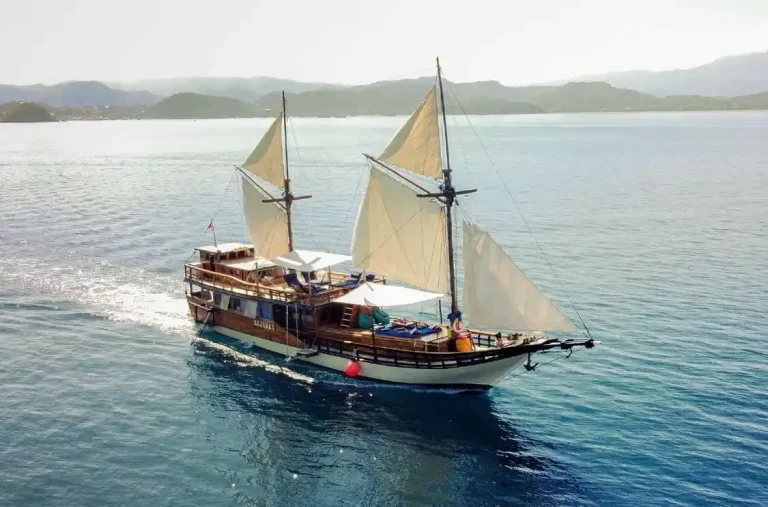
The technical launch is tide-assisted beaching in reverse. Ways of hardwood are laid and greased down the foreshore; the hull, cradled and chocked, is eased seaward on rollers as the water rises — hauled by tackles, nudged by muscle, occasionally assisted by a tug for the largest hulls. The foreman calls cadence; a hundred village hands take the lines. Tide mathematics decide everything, which is why launches cluster on spring tides and why the monsoon calendar keeps them out of squall season. When the keel finally lifts and the hull swims free, the roar from the beach is something no owner forgets.
The Feast and the First Days Afloat
With the vessel riding at anchor, the yard feeds everyone — crew, families, neighbours, owners — and the day dissolves into food and stories. Practically, the first days afloat are working days: the hull takes up as timber swells, seams weep and tighten, ballast is trimmed, and the crew watches the bilges like new parents. This is normal wooden-boat behaviour, anticipated in the trials plan and covered by the aftercare culture described in warranty culture in Flores yards. Sea trials proper begin once the hull settles.
What the Ceremony Does for the Boat
Beyond meaning, the ritual performs three worldly functions. It closes the build socially: every hand that shaped the hull is honoured in public, the accountability that underwrites craft quality on this coast — and the same pride that carries the trade’s apprentice generation forward. It binds the vessel to the community that launched her, which matters operationally for a boat that will work these waters for decades. And it hands the owner a story no marketing budget can fabricate: your vessel’s first chapter, witnessed by the village that built her — an asset every charter guest will hear about, as the vessels in our portfolio prove nightly in Komodo’s anchorages.
Attending Well: An Owner’s Guide
Come for both days; the blessing is the heart. Dress modestly, accept every dish offered, and let the elders lead — your role is honoured guest, not master of ceremonies. Bring your family; children at a launch are considered the best of omens. Photography is welcome, but ask before the prayer moments. Contributions to the feast are gracious and best arranged through the yard desk beforehand. And plan the date with humility: tide and elders set it, not the calendar app — scheduling guidance we fold into making owner visits count.
Talk to the Yard Desk
Our yard desk answers build enquiries seven days a week from Labuan Bajo. Message us on WhatsApp at +62 811-3941-4563 or write to [email protected] and we will reply with slot availability, reference projects and a realistic budget band. You can also review our pricing guide or start with the step-by-step build process.
Frequently Asked Questions
Is the launch ceremony religious?
It is devotional in a blended, local way: Islamic prayer traditions of the Bugis-descended yard community woven with Manggarai custom. Guests of any faith are welcomed warmly; respectful presence is the only requirement.
Can we schedule the launch for a specific date?
Within a spring-tide window, yes — the tide provides two or three workable days each fortnight and the community confirms the day. International guests should book travel against the window, not a single date, with a day’s flexibility either side.
What should an owner contribute to the ceremony?
Custom asks nothing, but a contribution to the feast — arranged through the yard desk — is always graciously received, as are modest gifts for the senior builders. Write to [email protected] and we will advise what fits the yard’s customs.
Does the hull really leak after launch?
Planked hulls take up for days to weeks as timber swells against the caulking — seep rates fall daily and the crew monitors constantly. It is expected behaviour in traditional construction, planned into trials, and no cause for alarm.
Keep Reading
Flores Craft & Culture
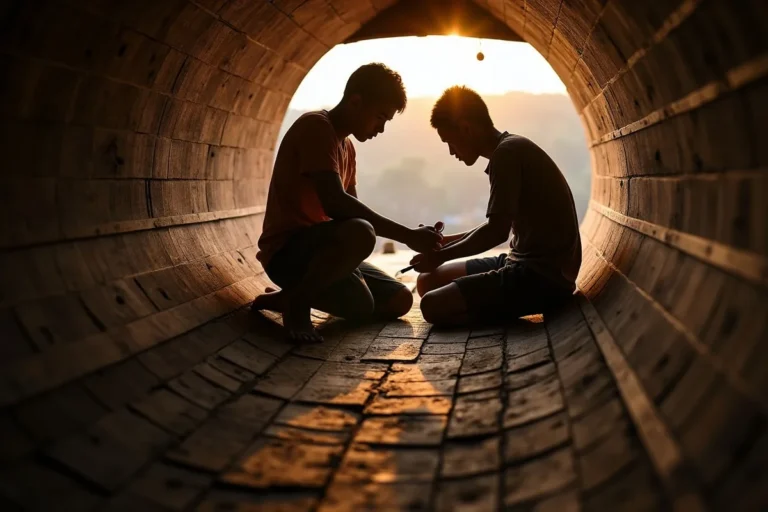
The Flores Apprentice Path: Training the Next Yard Generation
Flores boatbuilding trains its people the way it always has: by hand, in public, over years. The path runs from…
Flores Craft & Culture
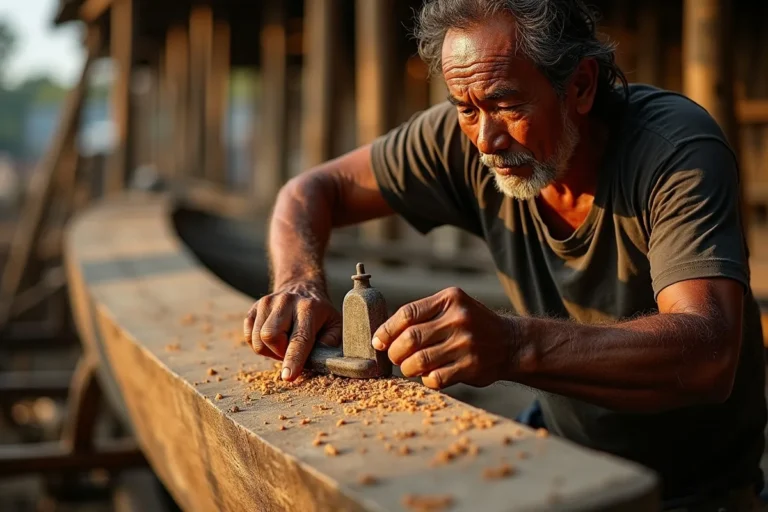
Manggarai Hands, Bugis Lines: The Culture of Flores Boatbuilding
Labuan Bajo’s boatbuilding culture is a marriage of two lineages: the hull-shaping tradition carried east by Bugis and Konjo migrants…
Flores Craft & Culture
The Ammossi (Navel) Ceremony: Rituals of Launching a Phinisi
The Ammossi or "Navel" Ceremony is an ancient ritual integral to the launching of a Phinisi, a traditional Indonesian sailing…