
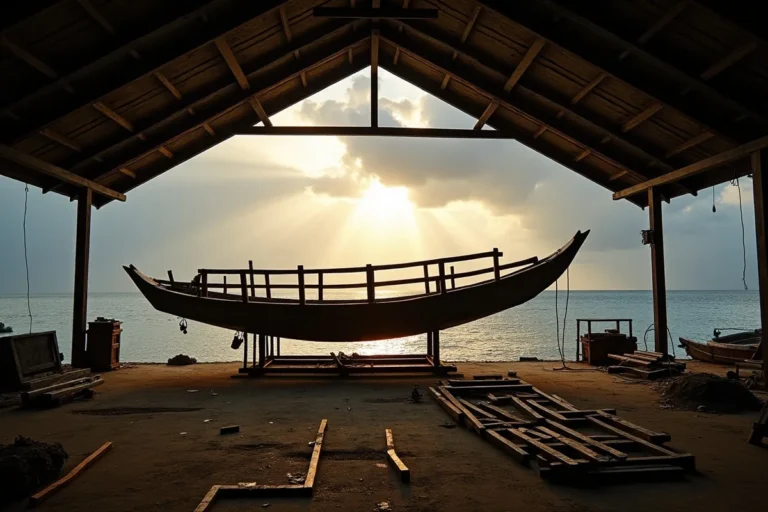
Scheduling a Build Around the Flores Monsoon
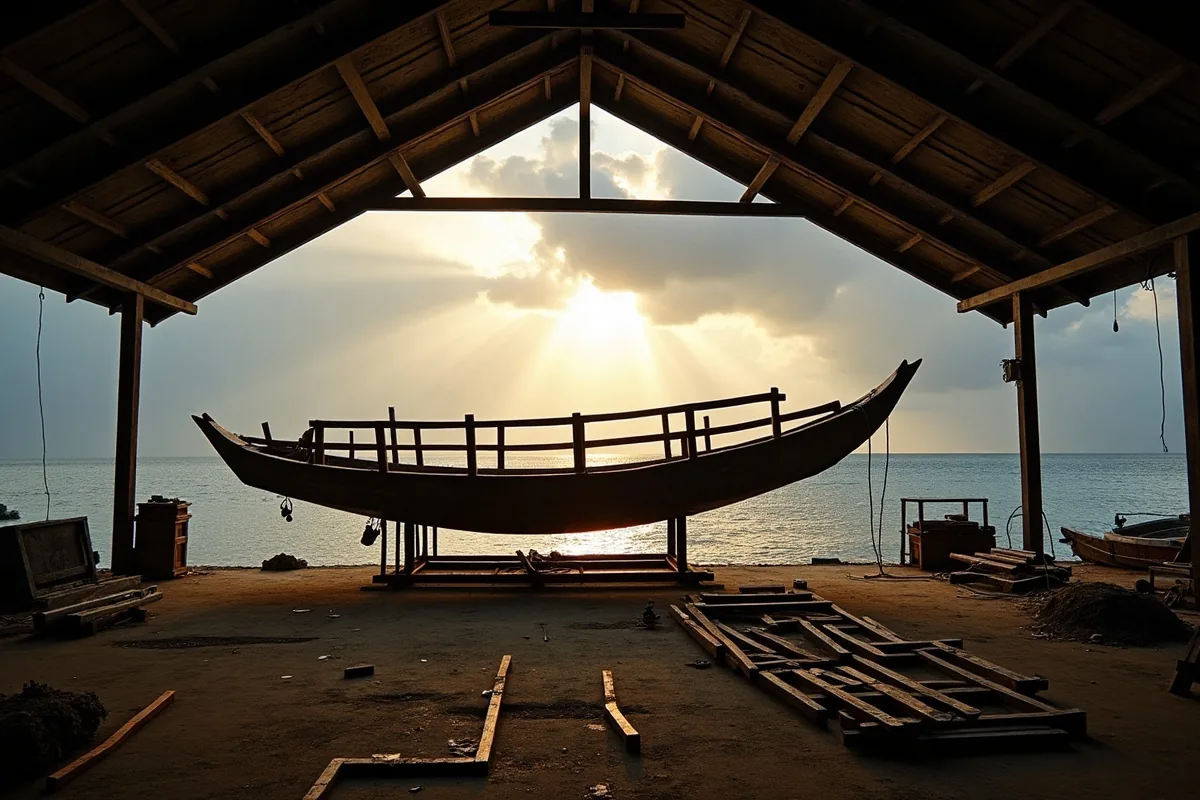
Flores has two working seasons, and every honest build schedule is written around them. The dry months from April to November are when hulls rise, coatings cure and launches happen; the northwest monsoon from roughly December to March brings rain squalls that stop exterior coating, slow barge deliveries and push yards toward covered work — framing, joinery, systems and interiors. A keel laid in April rides two full dry seasons to a launch; a keel laid in October fights the calendar from day one.
By Labuan Bajo Boat Builders Build Desk — Yard Desk, Labuan Bajo Boat Builders. Updated August 2026.
Owners often ask why two yards quote the same vessel with six months’ difference in schedule. Half the answer is workforce; the other half is whether the plan respects the monsoon or pretends it away. Here is how weather actually maps onto a Labuan Bajo build, task by task — context that pairs with the full timeline in keel to launch: a realistic local timeline.
What the Monsoon Actually Does
The northwest monsoon is not four months of constant rain; it is a season of humid heat punctuated by heavy squalls and multi-day wet spells, with December to February the most disrupted. For a yard this means three concrete problems: exterior coating and caulking windows shrink and become unpredictable; beach work faces softer ground and surge on exposed foreshores; and inter-island barges — the timber and materials lifeline described in our barge logistics guide — sail less regular schedules, stretching resupply from days into weeks.
Tasks That Stop, Tasks That Shift
Rain-vulnerable work is exterior by nature: hull fairing, seam caulking, antifouling windows, topside paint systems, deck caulking and any epoxy or coating step with cure-time humidity limits. Rain-proof work is everything a roof can cover: frame fabrication, planking preparation, engine-bed and tank installation, electrical rough-in, and the joinery-heavy interior phase where Manggarai carpenters — profiled in our craft-culture piece — do their finest months of work. A disciplined yard enters November with its exterior-critical items closed out and a monsoon backlog of covered tasks queued.
The Two-Dry-Season Rhythm
For a 30–40 metre timber vessel, the natural rhythm is: keel and structure through the first dry season; monsoon one spent on covered structure and systems; second dry season for planking completion, decks and coatings; then interior and commissioning, with launch and sea trials in the following dry window. Compressing this into a single dry season is possible only for smaller hulls — the day-boat classes covered in our hull-classes guide — or with covered slipway space, which remains scarce on this coast.
When to Sign for a 2027 Delivery
Work the calendar backwards. A vessel intended to earn the July–September 2027 high season should launch by April 2027, which means coatings and decks complete inside the 2026–27 dry-season tail, which means structure substantially closed before the 2026 monsoon — which means contracts signed and timber ordered in the first quarter of 2026 given timber lead times. Miss that window and the honest answer is a 2028 season debut; any promise otherwise is being made at your risk, a theme our pricing guide treats under schedule premiums.
Questions to Ask a Yard About Weather
Three questions expose schedule realism instantly. How many covered work bays do you have, and what moves into them in December? Which of my build’s coating windows fall in monsoon months, and what is the contingency? What was your actual slippage on the last two monsoon-spanning projects? A yard that answers with specifics has managed this cycle before — the pattern across our delivered projects — and a yard that waves the question away is quoting you a fair-weather fantasy.
The Monsoon as Quality Ally
Experienced foremen quietly welcome the wet months, because covered phases reward patience: joinery fitted in the monsoon’s enforced calm is fitted once, electrical looms pulled without schedule panic are pulled tidily, and the crew’s rhythm consolidates instead of fragmenting across weather windows. The season also functions as a natural inspection pause — structure closed before the rains gets four months of humidity cycling before coatings seal it, and any timber movement announces itself while correction is still simple. Owners who understand this stop asking how to beat the monsoon and start asking how their yard uses it.
Talk to the Yard Desk
Our yard desk answers build enquiries seven days a week from Labuan Bajo. Message us on WhatsApp at +62 811-3941-4563 or write to [email protected] and we will reply with slot availability, reference projects and a realistic budget band. You can also review our pricing guide or start with the step-by-step build process.
Frequently Asked Questions
Does building stop completely during the monsoon?
No. Covered work — structure, systems, interiors — continues at full pace in a well-run yard. What stops is weather-exposed work: coatings, caulking and exterior finishing. Schedules slip only when a yard failed to sequence covered tasks into the wet months.
When is the best month to lay a keel?
April or May. You open with a full dry season for structure, use the monsoon for covered phases, and meet the second dry season ready for planking, decks and coatings — the least-risk path to an on-time launch.
Are launches possible between December and March?
They happen in calm windows, but surge and squalls make beach launching riskier and insurers pricklier. We plan launches for the dry season and hold monsoon weeks as contingency rather than promising them as primary dates.
How much schedule buffer should a contract carry?
For monsoon-spanning builds we recommend a 60–90 day weather allowance tied to defined milestones rather than a vague completion date. Message +62 811-3941-4563 and the yard desk will share our standard milestone-plus-allowance schedule annex.
Keep Reading
Boat Construction
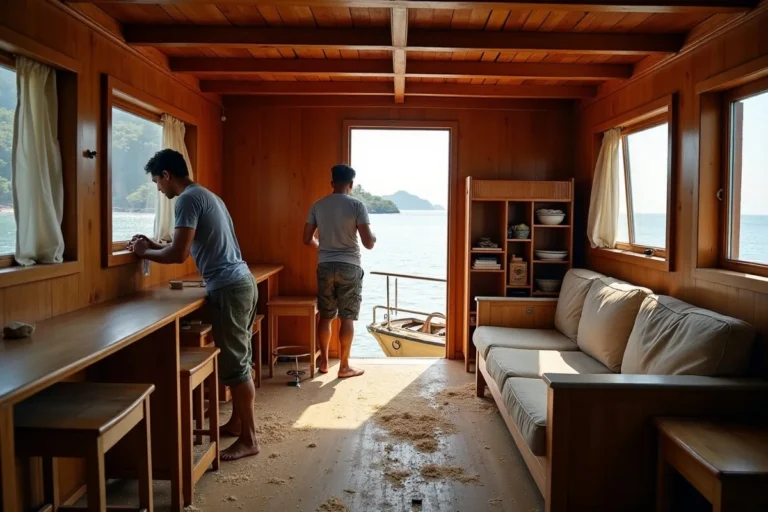
Fitting Out Near the Fleet: Why LBJ Finishing Saves Delivery Legs
Every vessel finished in Labuan Bajo saves at least one delivery passage — and usually the most expensive one, the…
Boat Construction
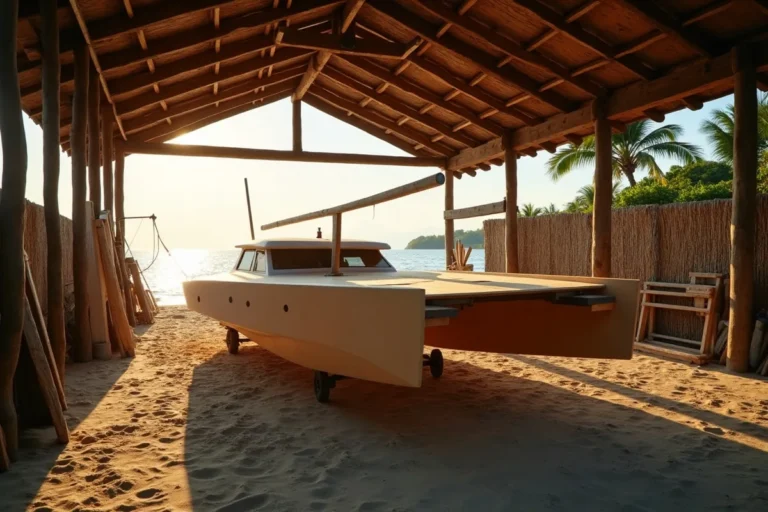
Small Catamaran Builds in Labuan Bajo: A Niche Taking Shape
A catamaran-building niche is taking real shape in Labuan Bajo: day-charter platforms of 12–18 metres and small cruising cats to…
Boat Construction
Owner Visits During an LBJ Build: Making the Trip Count
Four well-timed visits do more for build quality than forty phone calls: keel-laying to set the relationship and witness the…