
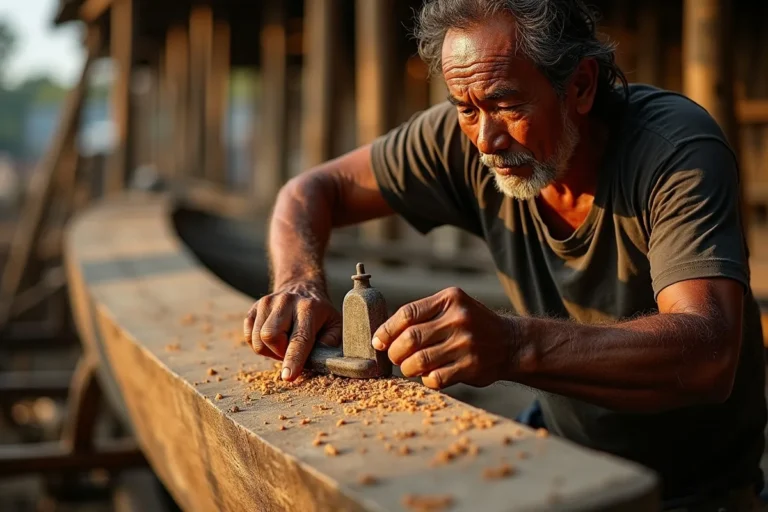
Manggarai Hands, Bugis Lines: The Culture of Flores Boatbuilding
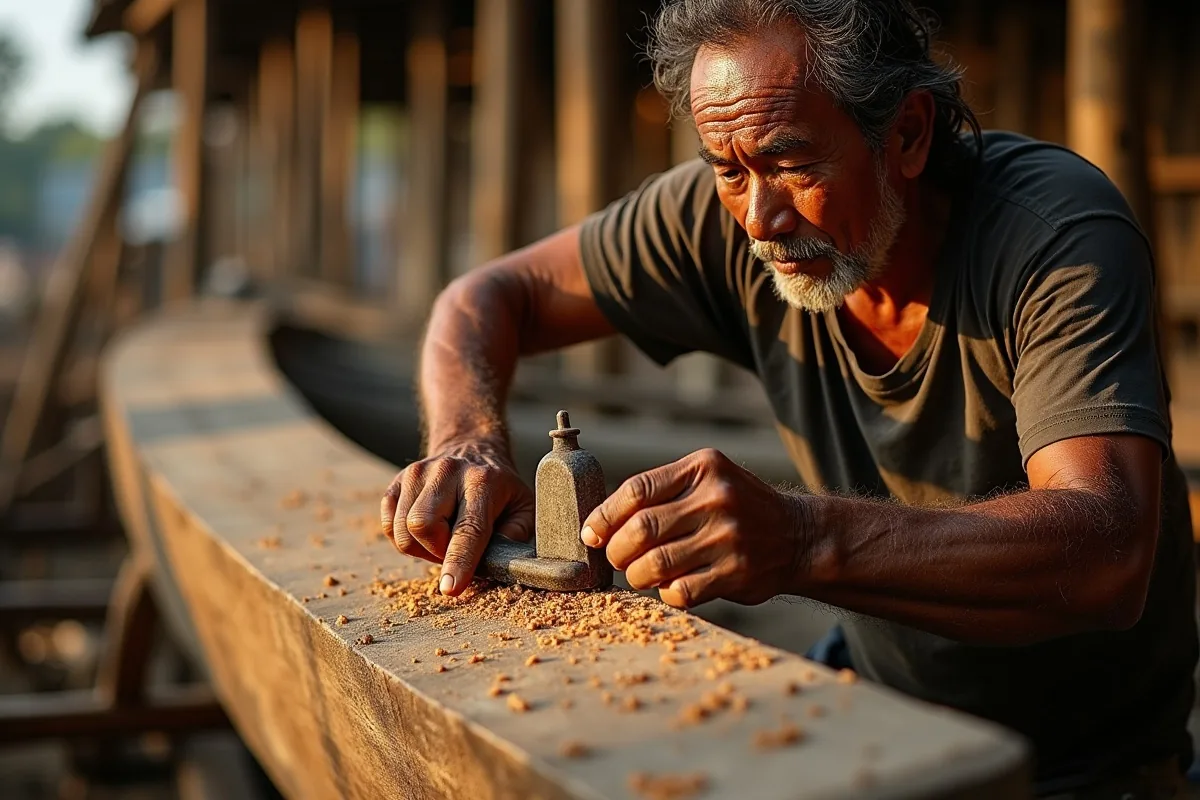
Labuan Bajo’s boatbuilding culture is a marriage of two lineages: the hull-shaping tradition carried east by Bugis and Konjo migrants from South Sulawesi, and the woodworking, rigging and finishing skill of Flores’ own Manggarai people who joined the yards over the last two generations. The boats launched here carry Sulawesi lines built increasingly by Flores hands — and understanding that blend explains both the craft’s strength and how it is changing.
By Labuan Bajo Boat Builders Build Desk — Yard Desk, Labuan Bajo Boat Builders. Updated August 2026.
Every hull has a genealogy. The sheer of a Labuan Bajo phinisi traces to Bulukumba’s beaches; the man fairing its planks today was likely born an hour inland in a Manggarai village. This article follows that cultural thread, because owners who understand who is building their boat — and by what inherited rules — make better decisions at every stage of the build process.
The Bugis-Konjo Inheritance
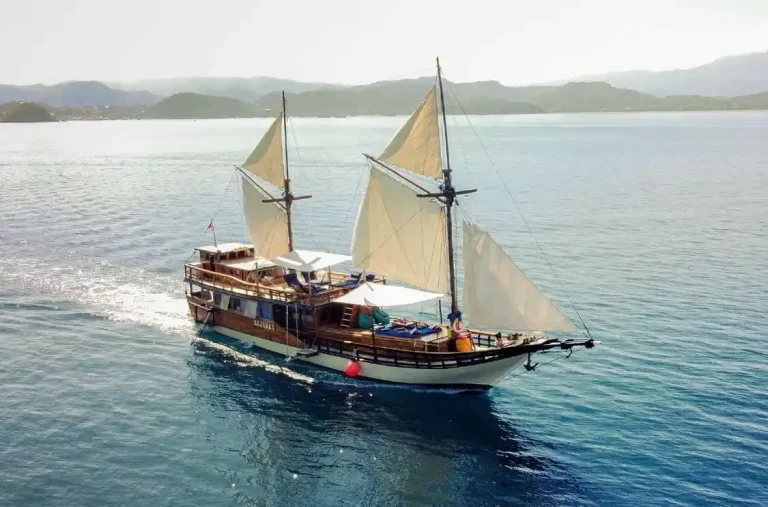
The phinisi form belongs to the Konjo builders of Ara, Tana Beru and Bira, whose craft was inscribed by UNESCO as intangible heritage — a story we told in our UNESCO pinisi heritage guide. Master builders, the punggawa, carry hull proportions in memory and transmit them through supervised practice, not drawings; building without blueprints remains a living method, not a marketing line. Migration for work brought these masters east: first for repairs and charters, then to lay keels on Flores beaches where the charter market — Komodo — was right offshore.
The Manggarai Contribution
What Flores added was hands, and then skill. Manggarai workers entered the yards as labourers and caulkers, and over twenty years many have become fully fledged shipwrights, joiners and foremen. Their inland woodworking heritage — house-building, carving, rice-barn joinery — translated naturally to deckhouses, interiors and finish carpentry. Today a typical northern-beach yard crew is majority Manggarai working under mixed Manggarai and Sulawesi-descended foremen, a workforce evolution we support directly through the Flores apprentice path.
Ritual: Where the Two Traditions Meet
Boatbuilding here keeps its ceremonies. Keel-laying is opened with prayer and offerings in a form that blends Islamic Bugis practice with Manggarai custom; the navel ceremony we documented in the ammossi ritual guide still marks the hull’s symbolic birth, and launch day gathers the whole community — a spectacle covered in launch ceremonies of Flores. Owners are welcome at all of them. Far from being folklore bolted onto a contract, these moments function as the yard’s own quality gates: work pauses, elders inspect, and the build’s reputation is publicly staked.
How Culture Shows Up in Build Quality
Two practical consequences follow. First, reputational accountability is personal: a punggawa’s name travels with every hull he shapes, which disciplines quality in ways no clause can. Second, method is conservative: proven scantlings and joints are preferred over novelty, which is why pairing traditional hull teams with modern engineering — naval architecture, systems design, survey checkpoints — produces the best of both, the model behind every project in our portfolio and the standard we apply to custom phinisi builds.
A Living Culture, Not a Museum
The culture is adapting, not fading. Younger Manggarai builders use laser levels beside hand adzes, WhatsApp beside word-of-mouth, and epoxy beside traditional caulking where engineering calls for it. Steel and composite projects — see when metal beats timber locally — are drawing a new technical generation into the trade. What endures is the apprenticeship ethic: skill earned under a master’s eye, and a launch day the whole village owns.
What This Means When You Commission
For an owner, the practical payoff of understanding this culture is knowing what to honour and what to specify. Honour the lineage: ask who the hull master learned under, attend the ceremonies, learn the crew’s names — respect is repaid in care that no clause can purchase. Specify the engineering: drawings, survey checkpoints, documented materials and systems standards sit comfortably alongside tradition when they are introduced as partnership rather than correction. The yards that thrive on this coast are precisely the ones that have made that marriage work, and the owners happiest with their vessels are the ones who understood they were commissioning from a culture, not just a contractor.
Talk to the Yard Desk
Our yard desk answers build enquiries seven days a week from Labuan Bajo. Message us on WhatsApp at +62 811-3941-4563 or write to [email protected] and we will reply with slot availability, reference projects and a realistic budget band. You can also review our pricing guide or start with the step-by-step build process.
Frequently Asked Questions
Are Labuan Bajo boats still built by Sulawesi builders?
Senior hull masters of Bugis-Konjo descent still lead many builds, but the working majority in Labuan Bajo yards is now Manggarai, including foremen and specialist joiners. The tradition has genuinely taken root on Flores rather than merely visiting it.
Can owners attend the traditional ceremonies?
Yes, and you should — keel-laying, the ammossi navel ceremony and launch day are open to owners and their guests. We schedule owner visits around them; see making an owner visit count for timing.
Does traditional method conflict with classification or survey?
No, provided engineering oversight runs alongside from keel-laying. Surveyors assess structure and documentation, not the absence of ritual. Our builds pair punggawa-led hull work with formal survey checkpoints, and the record clears inspection cleanly.
How can I meet the people who would build my boat?
Message the yard desk on +62 811-3941-4563 and we will arrange a working-day yard tour where you meet the foremen and hull master assigned to your project before you sign anything.
Keep Reading
Flores Craft & Culture
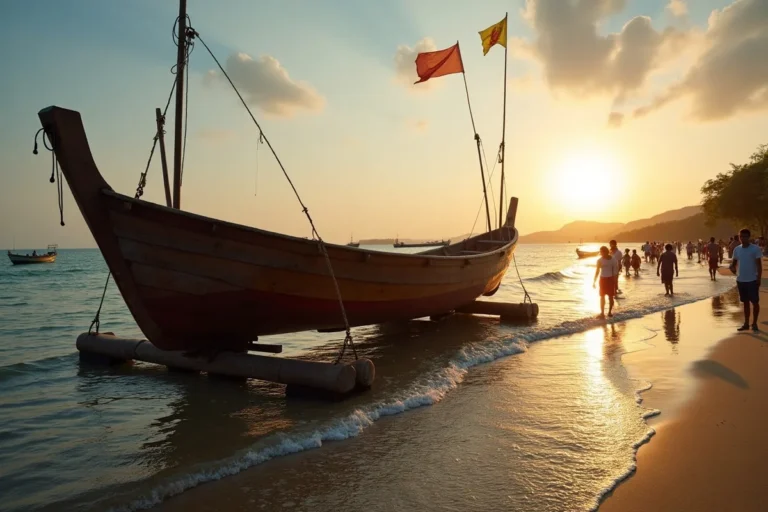
Launch Ceremonies of Flores: Blessings Before First Water
A Flores launch is a two-day event wrapped around one tide. The evening before brings the blessing: prayers led by…
Flores Craft & Culture
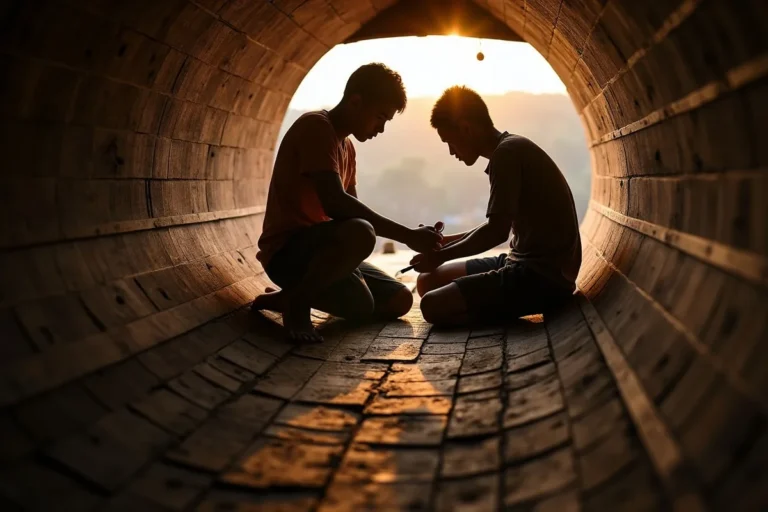
The Flores Apprentice Path: Training the Next Yard Generation
Flores boatbuilding trains its people the way it always has: by hand, in public, over years. The path runs from…
Flores Craft & Culture
The Ammossi (Navel) Ceremony: Rituals of Launching a Phinisi
The Ammossi or "Navel" Ceremony is an ancient ritual integral to the launching of a Phinisi, a traditional Indonesian sailing…