
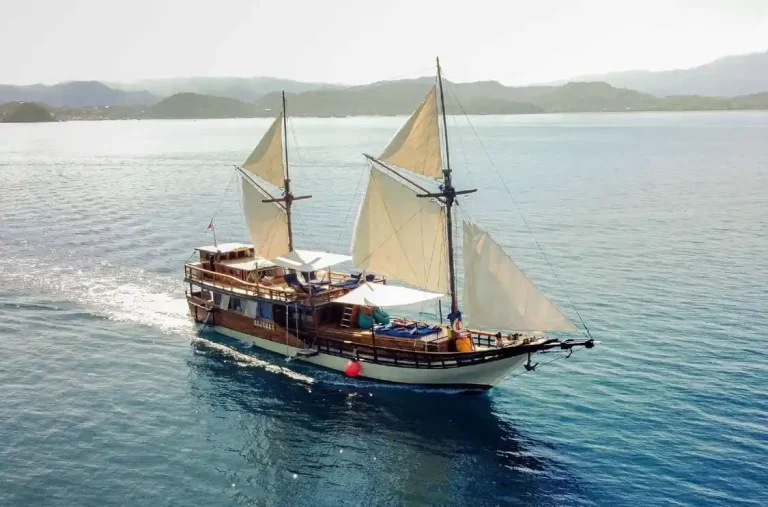
The Ammossi (Navel) Ceremony: Rituals of Launching a Phinisi
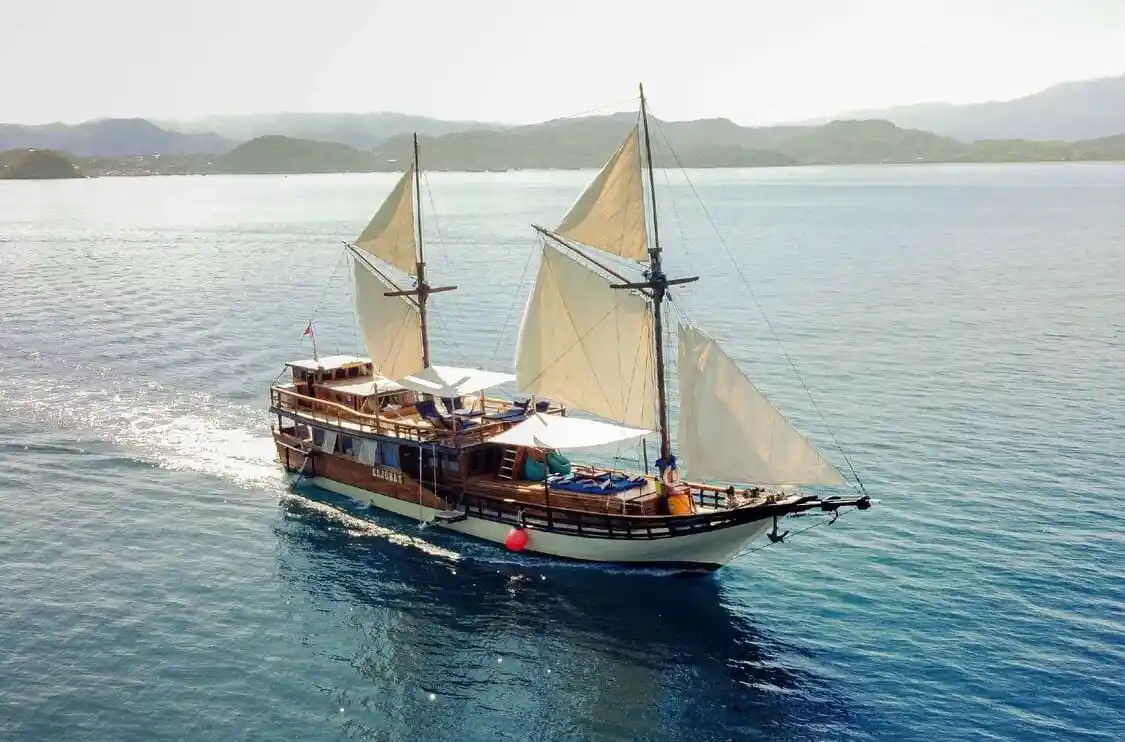
The Ammossi or “Navel” Ceremony is an ancient ritual integral to the launching of a Phinisi, a traditional Indonesian sailing vessel. Rooted in the maritime traditions of the Bugis and Makassar people, this cultural event marks the culmination of craftsmanship and spiritual practices in the shipbuilding villages of South Sulawesi.
The Cultural Significance of the Ammossi Ceremony
The Ammossi Ceremony is more than just a tradition; it is a deep expression of gratitude and spiritual blessing amongst the people of Bulukumba Regency, specifically in villages like Tana Beru, Bira, Ara, and Lemo-Lemo, which are recognized as the centers of Phinisi shipbuilding. This ceremony is a rite of passage that transforms a crafted vessel into a living entity, ready to sail the seas. In these villages, the ceremony is not only a display of cultural heritage but also an essential community gathering that strengthens social ties.
UNESCO heritage recognition concerns the living Pinisi boatbuilding knowledge and practices of South Sulawesi. It is not certification of a company, yard or vessel, and a ceremony does not replace technical inspection, trials or acceptance.
The Role of the Master Shipwright
At the heart of the Ammossi Ceremony is the master shipwright, known as the punggawa. This individual is responsible for overseeing the entire construction process of a Phinisi, from selecting the appropriate timbers to guiding the crew through the handcrafted assembly. The expertise of a punggawa is crucial, as they do not rely on formal blueprints but rather on ancestral knowledge and oral traditions. This method ensures that each Phinisi is unique, reflecting the personal touch and creativity of its builders.
Each Phinisi is meticulously crafted with core timbers such as bitti, teak, and ironwood, selected for their durability and strength. The punggawa ensures that every element of the boat is perfect, with measurements and proportions preserved through memory. Their leadership extends into the spiritual realm during the Ammossi Ceremony, where they lead rituals to invoke blessings for the vessel’s journey. This dual role of technical expert and spiritual leader is what makes the punggawa indispensable in the Phinisi building process.
The Rituals and Symbolism of the Ceremony
The Ammossi Ceremony is steeped in rituals that symbolize safety, prosperity, and the harmonious relationship between the ship and the sea. Offerings, including food and incense, are presented to placate the spirits and seek protection. A significant aspect of the ceremony is the placement of a symbolic “navel” on the ship, usually a carved piece of wood or stone, believed to be the vessel’s spiritual center. This navel is often intricately designed, with motifs that reflect local mythology and seafaring stories.
Throughout the ceremony, traditional chants and prayers are recited by the punggawa and the community, fostering a collective sense of reverence and hope for the Phinisi’s successful voyages. This combination of tangible and spiritual elements ensures that each Phinisi is not only a masterpiece of engineering but also a vessel blessed with cultural and spiritual significance. The entire community participates, contributing to a rich notable of sound and color that envelops the ceremony in a sense of sacred celebration.
Building a Phinisi: Timelines and Costs
Compare the estimate against the defined drawings, materials, systems and finish. Identify currency, inclusions, exclusions, provisional items and delivery assumptions; the project proposal determines the actual budget rather than a fixed location-based band.
Compare dated proposals for the same specification, work scope, materials, logistics and specialist review. A place name does not establish a cost advantage, and an operating or charter assumption belongs in a separate evidenced business case.
The Economic Impact on Local Communities
The Phinisi shipbuilding industry is a vital economic driver for the villages of South Sulawesi. It provides employment to hundreds of skilled craftsmen and laborers who have honed their skills over generations. From timber suppliers to artisans specializing in intricate carvings, the entire community benefits from the industry. The economic ripple effect extends to local markets and businesses that supply materials and provisions, creating a robust local economy.
Furthermore, the demand for Phinisi vessels has sparked a significant interest in maritime tourism and adventure charters in Indonesia, particularly around the Labuan Bajo area, access point to the famous Komodo National Park. This has led to increased opportunities for local businesses, from hospitality to guided tours, further boosting the region’s economy. The influx of tourists also encourages infrastructure development, improving the quality of life for residents and fostering cultural exchange.
The Importance of Local Ownership in Phinisi Charters
Ownership, flag, registration and commercial-operation arrangements require current vessel-specific review by qualified legal and maritime advisers. Choosing a traditional hull style or a local construction site does not by itself resolve those arrangements.
A cultural interest in phinisi craft should be distinguished from the vessel ownership and operating arrangements. Qualified advisers review the proposed structure and current requirements for the particular owner, vessel and use.
Environmental Considerations in Phinisi Construction
Phinisi construction also incorporates environmentally conscious practices, given the reliance on natural resources such as wood. The selection of bitti, teak, and ironwood is carried out with sustainability in mind, ensuring that timber harvesting does not jeopardize local ecosystems. Efforts are made to source materials from managed forests, where replanting initiatives are in place to maintain ecological balance.
Assess environmental claims using the actual material sources, construction processes, coatings, waste handling, systems and operating assumptions. Traditional craft alone does not establish a lower measured environmental impact.
FAQs
Q? What is the significance of the “navel” in the Ammossi Ceremony?The Ammossi ceremony is discussed as a cultural practice associated with the boatbuilding community. Its meaning and observance should be explained by the actual community; it is not a technical inspection or a guarantee of a vessel’s safety.
The programme follows the agreed design, procurement, proposed yard plan and inspection or trial scope. Confirm the milestones and review points for the individual project; no standard response, build window or available slot is established here.
Q? Why are Phinisi boats preferred over European steel yachts for charters in Indonesia?A timber phinisi or a steel yacht should be assessed against the intended use, design, condition and operating requirements. Cultural character, technical suitability, ownership arrangements and cost need their own evidence; no material or tradition creates an automatic regulatory or price advantage.
For separate charter arrangements, confirm the actual provider, scope and booking terms directly. A linked third-party website does not establish a corporate or appointed partner relationship. Related: komodoboatcharter
Keep Reading
Flores Craft & Culture
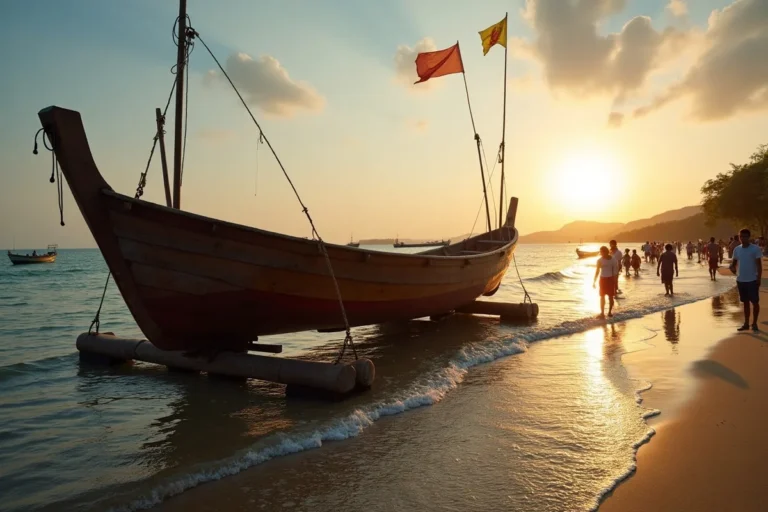
Launch Ceremonies of Flores: Blessings Before First Water
A Flores launch is a two-day event wrapped around one tide. The evening before brings the blessing: prayers led by…

Flores Craft & Culture
The Flores Apprentice Path: Training the Next Yard Generation
Flores boatbuilding trains its people the way it always has: by hand, in public, over years. The path runs from…
Flores Craft & Culture
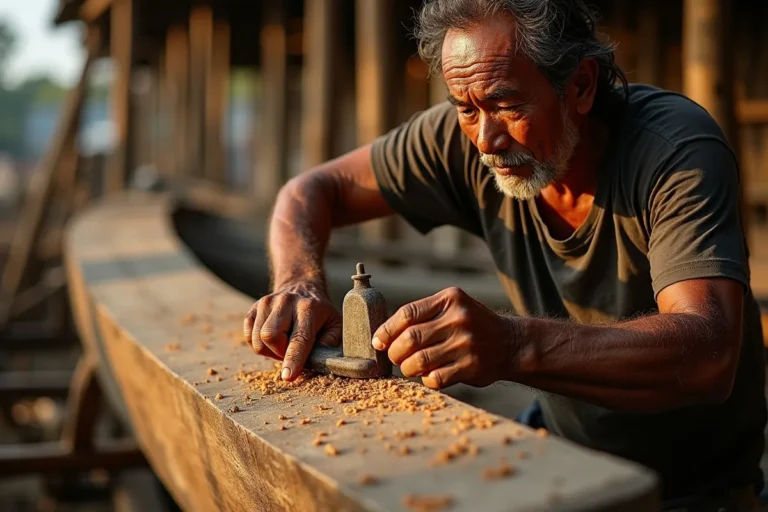
Manggarai Hands, Bugis Lines: The Culture of Flores Boatbuilding
For craft teams and project roles, identify the proposed location and project-appointed providers before commissioning work. Define the design, craft,…