
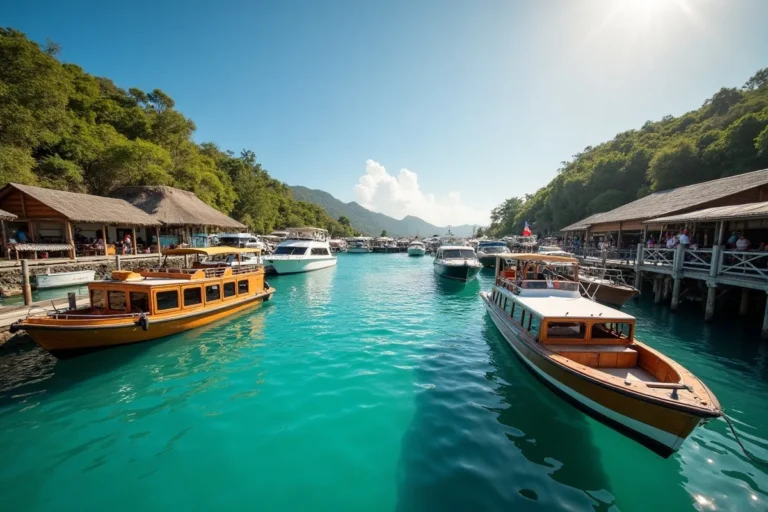
Building for the Day-Trip Trade: Hull Classes LBJ Yards Deliver
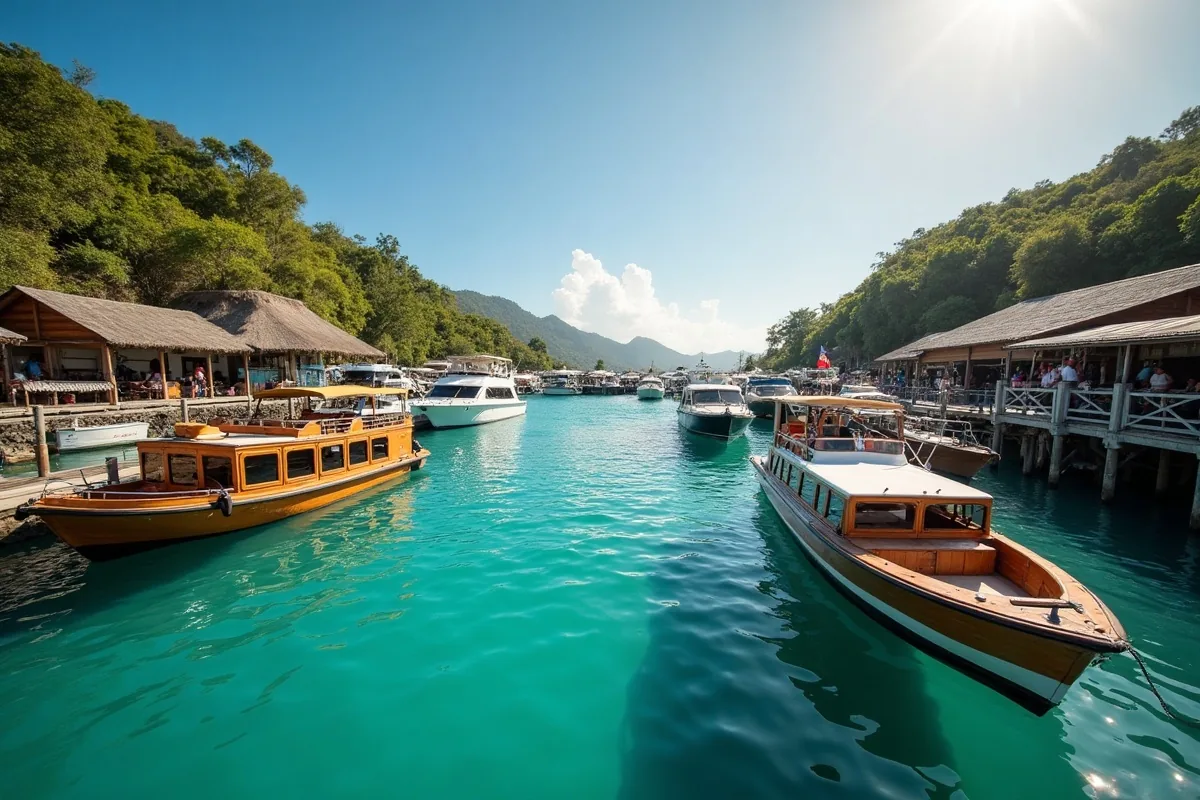
Komodo’s day-trip trade runs on four hull classes, and Labuan Bajo yards deliver all of them: open outboard speedboats of 10–14 metres for six to twelve guests; enclosed fast cruisers of 14–20 metres with cabins and marine toilets; traditional-timber slow boats of 15–22 metres trading pace for charm and economy; and, the rising niche, day catamarans of 12–18 metres offering deck space no monohull matches. Build times run eight to fourteen months; entry budgets from roughly USD 90,000 to USD 600,000 depending on class and finish.
By Labuan Bajo Boat Builders Build Desk — Yard Desk, Labuan Bajo Boat Builders. Updated August 2026.
Liveaboards get the magazine covers, but the day fleet carries the passengers: every morning, dozens of hulls stream out of Labuan Bajo for Padar, Komodo and the snorkel sites, and most of them were built within sight of the harbour. This is a working guide to the classes, their economics and their build realities — the volume end of the market whose demand curve we track in the 2027 build outlook.
Class One: Open Fast Boats
The workhorse: open or bimini-shaded hulls, twin or triple outboards, 25–35 knots, six to twelve guests. Fibreglass dominates for repeatability, though timber-composite versions persist. Build time is the shortest in the fleet — eight to ten months including mould time for a first hull — and entry cost sits near USD 90,000–180,000 depending on engines, which are half the invoice. The operating question is fuel: at Komodo distances, throttle discipline decides margins. These hulls suit operators selling speed and short itineraries; their limits appear the moment weather does.
Class Two: Enclosed Fast Cruisers
The premium day product: 14–20 metres, enclosed saloon, marine toilets, galley corner, 18–25 knots on inboard diesels or big outboard clusters. This class carries families and corporate charters in monsoon-shoulder months when open boats stay in, and it increasingly doubles for airport and resort transfers. Budgets run USD 250,000–600,000 built locally; ten to fourteen months. Systems complexity approaches a small liveaboard — which is why the systems phase disciplines apply in full, and why owners should hold a proper pre-closure systems review even on a day boat.
Class Three: Traditional Slow Boats
Timber hulls at eight to ten knots, generous shade decks, galley lunch aboard: the class that built Komodo day-tripping and still owns its budget tier. Local yards build them fluently — the same hands and methods profiled in our craft-culture piece — at USD 120,000–280,000 in eight to twelve months, timber lead times permitting per the supply-chain guide. Slow boats reward operators selling atmosphere over adrenaline, and their maintenance economics over a fifteen-year life remain the fleet’s most forgiving.
Class Four: Day Catamarans
The niche taking shape: twin-hull day platforms with shallow draft for beach landings, huge deck area per guest, and stability that transforms the seasick calculus for snorkel-heavy itineraries. Local capability is young but real — the full story, including who is building what, is in small catamaran builds in Labuan Bajo. Budget USD 300,000–650,000 and twelve to fourteen months, and expect this class to take share through 2027 as operators chase differentiated products.
Choosing a Class as an Operator
Start from the itinerary you will actually sell, not the boat you enjoy imagining. Speed products need open-class economics and weather honesty; premium family products justify enclosed cruisers; heritage-flavoured itineraries and tight budgets favour slow boats; snorkel-first and beach-club products point at catamarans. Then match the class to park operating standards from day one — the compliance-by-design argument of building beside a national park — and study how delivered vessels feed the charter economy in yard-to-fleet pipelines. Our services page covers all four classes end to end.
Fleet Mix: What Operators Actually Run
Most established Komodo operators end up running a deliberate mix rather than a single class: one or two open fast boats for the volume itineraries, an enclosed cruiser for premium and shoulder-season work, and increasingly a day catamaran as the flagship product. The mix hedges weather, spreads maintenance downtime and lets one brand serve three price points without diluting any of them. New entrants are usually best served by building the class their strongest distribution channel can fill tomorrow, then adding the second hull once utilisation data — not optimism — justifies it.
Talk to the Yard Desk
Our yard desk answers build enquiries seven days a week from Labuan Bajo. Message us on WhatsApp at +62 811-3941-4563 or write to [email protected] and we will reply with slot availability, reference projects and a realistic budget band. You can also review our pricing guide or start with the step-by-step build process.
Frequently Asked Questions
Which class pays back fastest in Komodo?
Well-operated open fast boats recover capital quickest on paper — lowest entry cost, highest trip frequency — but enclosed cruisers hold pricing power and weather resilience that smooth revenue across the year. Payback modelling belongs in your business plan, not your brochure, and we help buyers build it honestly.
Can one hull serve both day trips and overnight charters?
Enclosed cruisers of 18–20 metres can carry two to four overnight berths for occasional use, but dual-purpose designs compromise both products. If overnight revenue is core to the plan, a small liveaboard is the honest platform.
Are these classes built to survey standards?
Yes when specified — passenger-vessel requirements for guest count, stability and safety equipment are designed in from the start on our projects, which is precisely what clears park permitting without rework.
What deposit secures a 2027 day-boat slot?
Class-dependent, but typically 20–30 percent at signature against a milestone schedule. Message the yard desk on +62 811-3941-4563 for current slot availability by class.
Keep Reading
Boat Construction
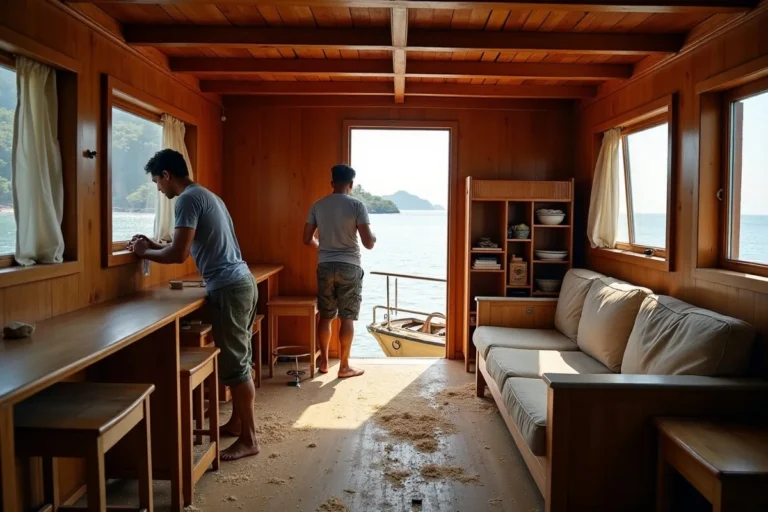
Fitting Out Near the Fleet: Why LBJ Finishing Saves Delivery Legs
Every vessel finished in Labuan Bajo saves at least one delivery passage — and usually the most expensive one, the…
Boat Construction
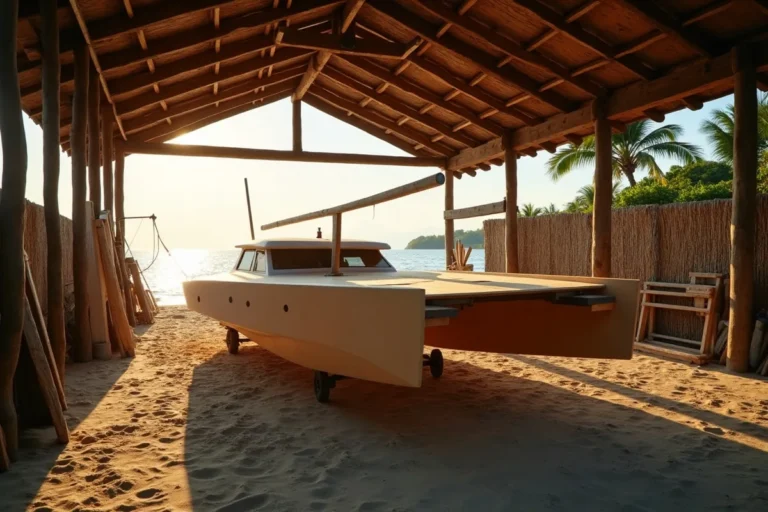
Small Catamaran Builds in Labuan Bajo: A Niche Taking Shape
A catamaran-building niche is taking real shape in Labuan Bajo: day-charter platforms of 12–18 metres and small cruising cats to…
Boat Construction
Owner Visits During an LBJ Build: Making the Trip Count
Four well-timed visits do more for build quality than forty phone calls: keel-laying to set the relationship and witness the…