
Small Catamaran Builds in Labuan Bajo: A Niche Taking Shape
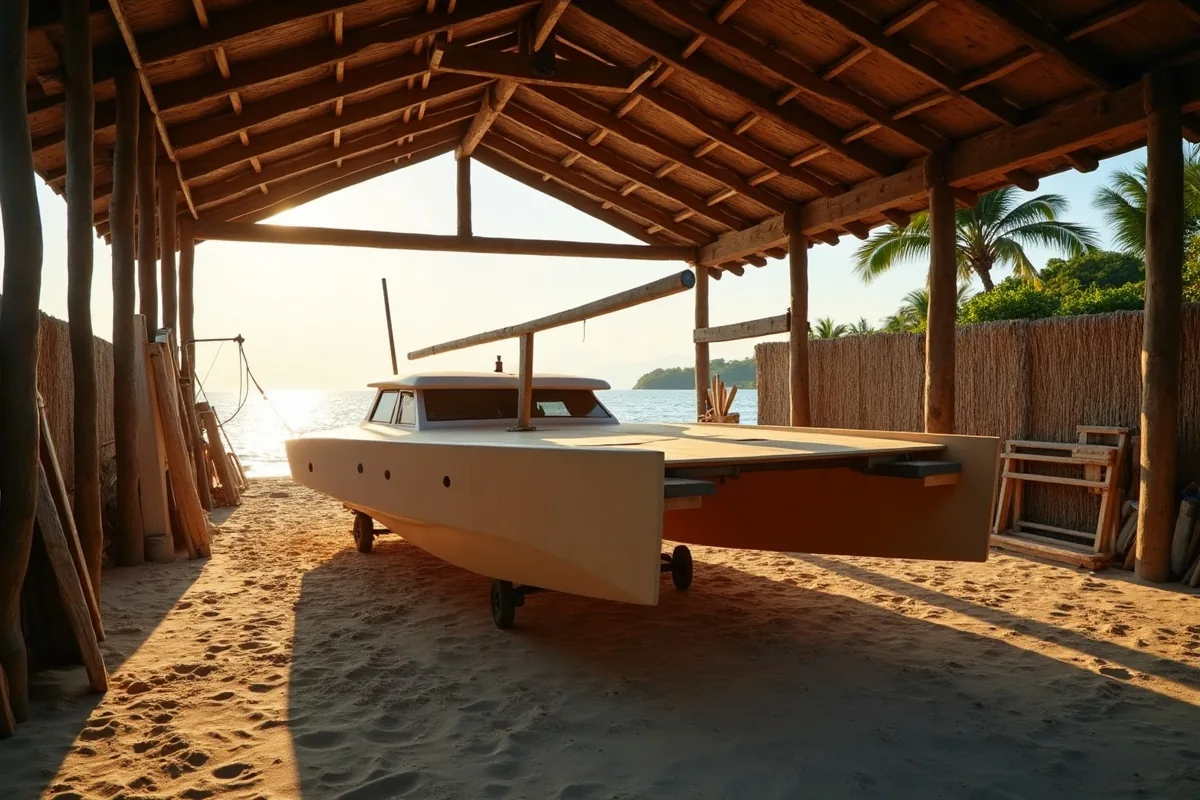
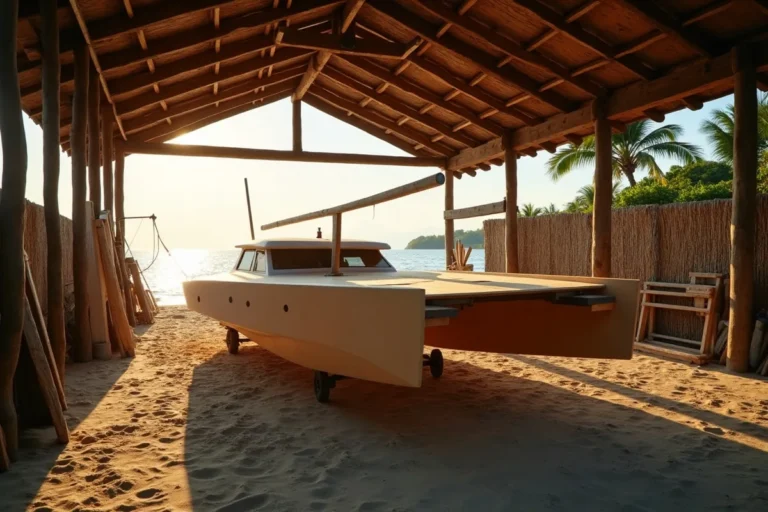
A catamaran-building niche is taking real shape in Labuan Bajo: day-charter platforms of 12–18 metres and small cruising cats to 20 metres, built in plywood-epoxy and foam-composite methods over imported designs, at USD 300,000–650,000 for day boats and twelve to eighteen month schedules. Capacity is young — a handful of completed hulls, a small pool of composite-trained hands — but demand from operators wanting deck space, shallow draft and stability is pulling the niche into existence fast.
By Labuan Bajo Boat Builders Build Desk — Yard Desk, Labuan Bajo Boat Builders. Updated August 2026.
Five years ago a catamaran in this harbour was an imported curiosity. Today multiple twin-hull projects sit on local beaches at once, and our desk fields more catamaran enquiries each quarter — part of the demand shift we first flagged in beyond phinisi vessels. This is an honest status report on what the niche can and cannot yet deliver.
Why Operators Want Twin Hulls
The commercial logic is guest experience per dollar. A 15-metre cat carries the deck area of a 22-metre monohull; stability transforms snorkel boarding, dining and the seasickness calculus that quietly drives reviews; and metre-deep draft opens beach landings and reef-edge anchoring no keel boat attempts. For the day-trip products profiled in hull classes LBJ yards deliver, those three advantages convert directly into pricing power — the reason established operators are commissioning cats as their premium tier.
How They Are Being Built Here
Two methods dominate. Plywood-epoxy over frames suits local skills best: the joinery tradition described in our craft-culture piece adapts naturally to sheet construction, epoxy systems are barge-supplied like everything else per the logistics guide, and repairs stay local forever. Foam-core composite — vacuum-bagged panels over CNC-cut forms — delivers lighter, stiffer hulls at higher material cost and demands the composite-trained hands the apprentice pipeline is only beginning to produce. Both build over proven purchased designs; nobody serious is improvising twin-hull engineering on a beach.
What the Niche Cannot Yet Do
Honesty about limits: large cruising cats above 20 metres, resin-infused series production, and classed passenger certification for high-count vessels remain beyond current local capability — those projects belong in established composite yards, with LBJ handling fit-out under the model argued in why LBJ finishing saves delivery legs. Schedule risk also runs higher than in timber: the trades are newer, the supplier chains thinner, and a single epoxy-cure setback in the monsoon humidity window can cost a month. Owners should contract with milestone discipline accordingly — the same protections outlined in the contract guide.
Budgets and Timelines
Current working numbers: a 12–15 metre plywood-epoxy day cat, USD 300,000–450,000, twelve to fifteen months; a 15–18 metre composite day platform, USD 450,000–650,000, fourteen to eighteen months; small cruising cats to 20 metres, from USD 700,000, individually scoped. Engines — typically twin outboards or compact diesels — and systems represent a third or more of cost, so specification discipline matters more than in timber builds. Full economics sit in pricing an LBJ build, and completed reference projects in the portfolio.
Who Should Order a Labuan Bajo Cat
The niche fits three buyers today: operators adding a premium day product to an existing fleet, who can absorb schedule variance for differentiation; resort and villa owners wanting a private platform with beach access; and early-mover charter entrepreneurs betting on the segment’s growth — a bet the 2027 outlook examines with real demand data. Buyers needing certified high-capacity vessels on hard deadlines should wait a build-generation or two; this coast will get there, on the same apprenticeship-driven curve that built everything else in the harbour.
The Supplier Ecosystem Is Catching Up
A quiet enabler of the niche is the maturing supply side. Epoxy systems, marine plywood grades and core materials that once required speculative container orders from Surabaya are now stocked or reliably scheduled by regional distributors, and two hardware agents in town keep catamaran-specific fittings — crossbeam brackets, trampoline nets, twin-helm steering components — on their order books. Design houses have noticed too: several proven day-cat designers now list Indonesian build licences at accessible rates, which shortens the paper phase considerably. None of this makes a twin-hull project routine yet, but each season the logistics excuses get thinner and the delivered results get stronger.
Talk to the Yard Desk
Our yard desk answers build enquiries seven days a week from Labuan Bajo. Message us on WhatsApp at +62 811-3941-4563 or write to [email protected] and we will reply with slot availability, reference projects and a realistic budget band. You can also review our pricing guide or start with the step-by-step build process.
Frequently Asked Questions
Are locally built catamarans safe for park operations?
Yes, when built over proven designs with engineering oversight and surveyed like any passenger vessel — the same standards path as monohulls. What the niche lacks is series track record, not structural soundness; every hull we manage carries full survey documentation.
Plywood-epoxy or foam composite — which should I choose?
Plywood-epoxy for budget, local repairability and proven local skills; composite for weight, stiffness and longevity at higher cost and thinner local trade depth. For most day-charter business plans in 2026, plywood-epoxy remains the pragmatic answer.
Can sailing catamarans be built here?
Motor-sailing day cats with modest rigs, yes. Performance cruising rigs demand engineering and hardware supply chains the niche has not yet matured — we would currently route such a project through the hybrid fit-out model.
How do I start a catamaran project?
With the mission profile: guests, itinerary, speed and draft targets. Send it to [email protected] and the yard desk will map designs, methods and realistic slots against it.
Keep Reading
Boat Construction
Fitting Out Near the Fleet: Why LBJ Finishing Saves Delivery Legs
Every vessel finished in Labuan Bajo saves at least one delivery passage — and usually the most expensive one, the…
Boat Construction
Owner Visits During an LBJ Build: Making the Trip Count
Four well-timed visits do more for build quality than forty phone calls: keel-laying to set the relationship and witness the…
Boat Construction
Building for the Day-Trip Trade: Hull Classes LBJ Yards Deliver
Komodo’s day-trip trade runs on four hull classes, and Labuan Bajo yards deliver all of them: open outboard speedboats of…