
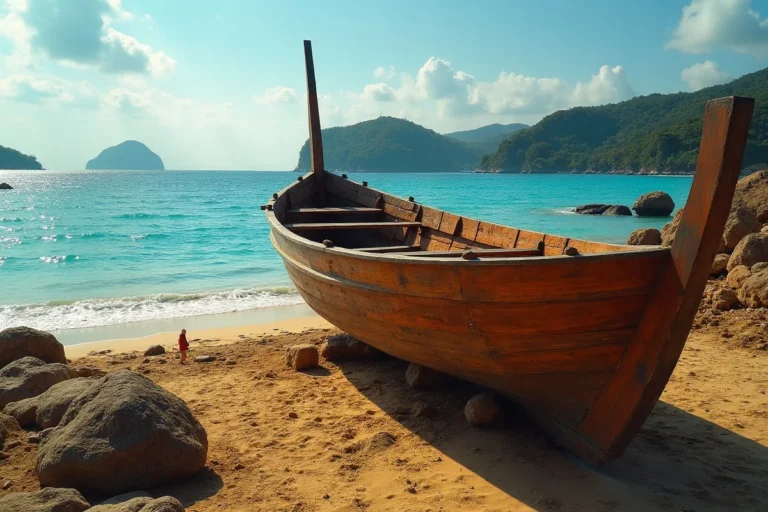
Building Beside a National Park: Rules That Shape LBJ Yards
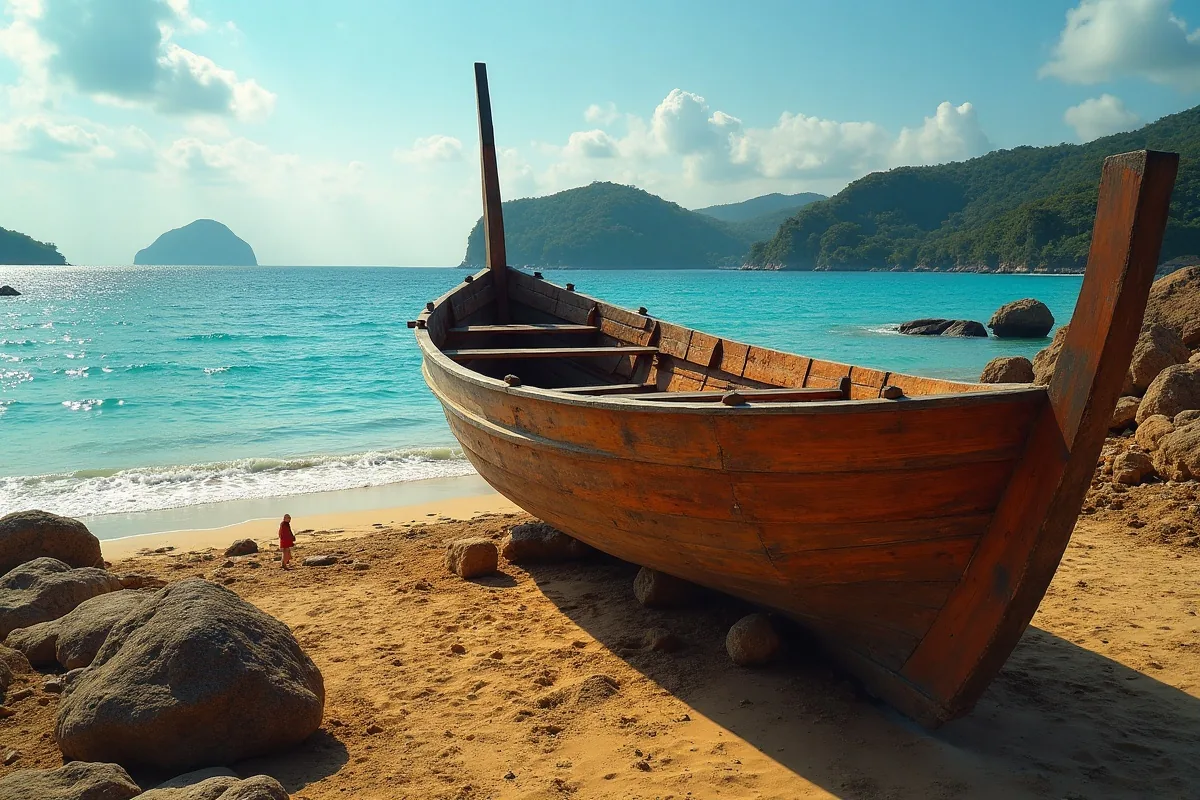
Every yard in Labuan Bajo operates in the shadow of a UNESCO-listed national park, and that changes how boats get built here. Yard siting is constrained by coastal zoning, effluent and waste handling face real scrutiny, timber must carry legality papers, and — most importantly for owners — the vessel you launch must meet the park authority’s operating standards before it can earn a single charter dollar inside Komodo waters.
By Labuan Bajo Boat Builders Build Desk — Yard Desk, Labuan Bajo Boat Builders. Updated August 2026.
Builders elsewhere treat environmental compliance as an annex to the contract. In Labuan Bajo it is the business model: the park is the product every vessel will sell, so the rules protecting it are ultimately protecting your asset’s revenue. Here is how the regulatory landscape actually shapes yard practice, and what an owner should verify before committing — a natural companion to our eco-build practices guide.
Coastal Zoning Decides Where Yards May Exist
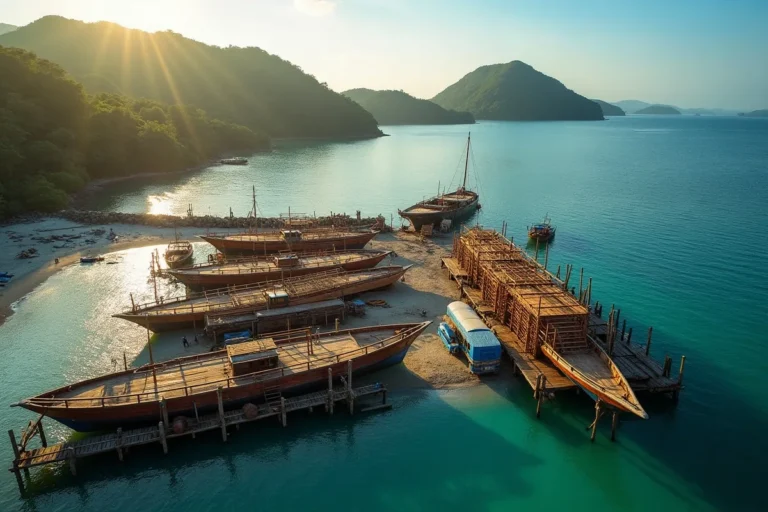
West Manggarai’s spatial plan divides the coastline into tourism, settlement, port and working-waterfront designations. Yards cannot simply appear on any attractive beach; the sites in use today — mapped in our build-yards map — exist where zoning, community agreement and physical geography align. For owners this has one practical meaning: a yard operating with visible permanence, village consent and years of launches behind it carries far less regulatory risk than a pop-up site assembled for one project.
Waste, Effluent and the Watershed Rule
Antifouling residue, paint thinners, engine oils and sawdust all have somewhere they are not allowed to go: the water column that feeds the park’s reefs. Compliant yards maintain sealed ground sheets under hull-coating work, drum-and-return arrangements for solvents and oils, and burn-free disposal of treated timber offcuts. When you tour a site, ask to see the waste corner before the workshop — it is the fastest integrity test available, and one of the checkpoints in our documented build process.
Timber Legality Is Enforced at the Water’s Edge
Because Labuan Bajo sits under a conservation spotlight, timber shipments arriving by barge attract more document checks than in ordinary ports. SVLK legality certificates, transport manifests and species declarations are inspected, and undocumented hardwood is genuinely seized here. The supply corridors and paperwork are detailed in our hardwood supply-chain guide; the short version is that legal timber costs slightly more and is worth every dollar in avoided project risk.
Park Standards Reach Back Into the Build
The park authority and the local tourism office set requirements for vessels operating inside Komodo: safety equipment scaled to guest count, holding tanks and discharge discipline, mooring-buoy use over anchoring on coral, crew certification, and increasingly, expectations around generator noise and fuel handling in anchorages. A yard that builds Komodo boats for a living designs these requirements in from the keel — holding tanks sized for real itineraries, safety lockers where inspectors expect them — rather than bolting them on after launch. It is a core argument in build in Labuan Bajo, earn in Komodo, and one reason park-experienced builders command their position, as our portfolio of delivered vessels shows.
What Owners Should Verify
Four requests separate compliant yards from hopeful ones. Ask for the site’s land-use basis and village agreement. Ask how coating residue and waste oil leave the site, with receipts. Ask for SVLK files from a previous project. Ask which delivered vessels currently hold park operating permits — then check one. Any yard on this waterfront that hesitates on these four has told you what you need to know. For how these obligations continue after launch, see how LBJ builds enter Komodo service.
The Long View: Regulation as Asset Protection
It is tempting to read every rule as friction, and wrong. The park’s protections are the reason a Labuan Bajo-built charter vessel holds value: the reefs guests pay to see remain worth seeing, the anchorages remain uncrowded enough to sell, and the operating permits your vessel carries function as a licence into a managed market rather than an open scramble. Yards and owners who internalise this — building beyond minimum compliance, documenting everything — are buying resilience against every future tightening of the rules. On a thirty-year asset, that resilience is worth more than any saving available from cutting corners today.
Talk to the Yard Desk
Our yard desk answers build enquiries seven days a week from Labuan Bajo. Message us on WhatsApp at +62 811-3941-4563 or write to [email protected] and we will reply with slot availability, reference projects and a realistic budget band. You can also review our pricing guide or start with the step-by-step build process.
Frequently Asked Questions
Do yards inside Labuan Bajo need environmental permits?
Working sites operate under regional coastal zoning with land-use consent, and larger operations carry environmental management obligations covering waste and effluent. The practical owner test is documentation plus housekeeping: a yard that can show both is a yard regulators already know and tolerate.
Will park rules affect my vessel’s design?
Yes, positively. Guest capacity, safety equipment, holding tanks, tender arrangements and mooring practice all trace back to park operating standards. Designing for them from day one costs little; retrofitting them after a failed inspection costs a season.
Can a boat built elsewhere operate in Komodo?
Yes, once it passes the same inspections — but vessels built locally by park-experienced yards tend to clear permitting faster because the standards were built in. That schedule difference is often a full charter season of revenue.
Who handles the permits at launch?
In our projects the yard desk manages the flag, safety and park-permit sequence as part of delivery. Write to [email protected] for the standard handover checklist we issue with every vessel.
Keep Reading
Yard Operations
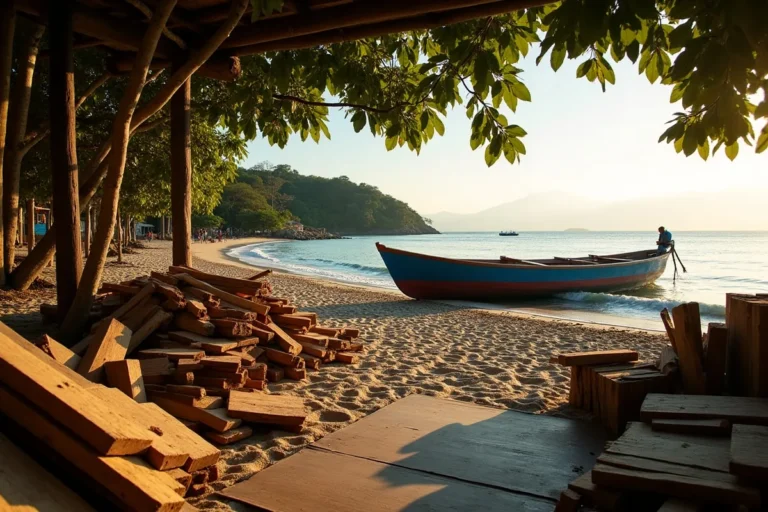
Eco-Build Practices in Flores: Low-Impact Yards Near Komodo
Low-impact boatbuilding in Flores rests on five practices: fully documented legal timber, captured and removed hazardous waste, low-VOC coating systems…
Yard Operations
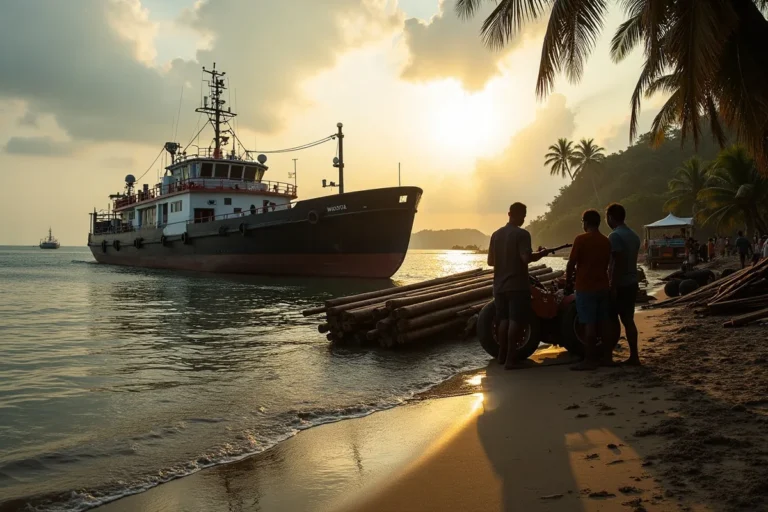
Barge Logistics: Moving Materials to Labuan Bajo Yards
Almost everything inside a Labuan Bajo build arrives by sea. Hardwood rides timber barges from Kalimantan via Surabaya or Makassar;…
Yard Operations
Mapping Labuan Bajo’s Build Yards: Who Works Where
Labuan Bajo’s building capacity is not one shipyard but a string of yard sites along roughly twenty kilometres of coast:…